
Artificial intelligence is changing the software development landscape by making coding faster, smarter, and more efficient. Specifically, AI-assisted tools automate repetitive tasks and provide real-time code suggestions, which significantly improve code quality and reduce errors. For example, tools like GitHub Copilot seamlessly integrate into popular code editors to help developers write better code in less time. As a result, teams gain a competitive advantage by accelerating delivery and enhancing software reliability.
Moreover, AI does not replace developers but works alongside them, allowing programmers to focus on complex and creative problems while AI handles routine work. Furthermore, companies can maximize these benefits by partnering with experts in technology consulting and AI-driven development to ensure smooth adoption and effective integration of these tools into their workflows.
Introduction to AI-assisted development
Imagine your code writing itself with the help of an intelligent assistant — this is the promise of AI-assisted development. At its core, this approach uses artificial intelligence to augment software creation by automating routine and repetitive tasks, offering real-time code suggestions, and improving overall code quality. AI does not replace developers; instead, it acts as a powerful partner, enabling programmers to focus on complex, creative challenges while AI handles mundane coding tasks.
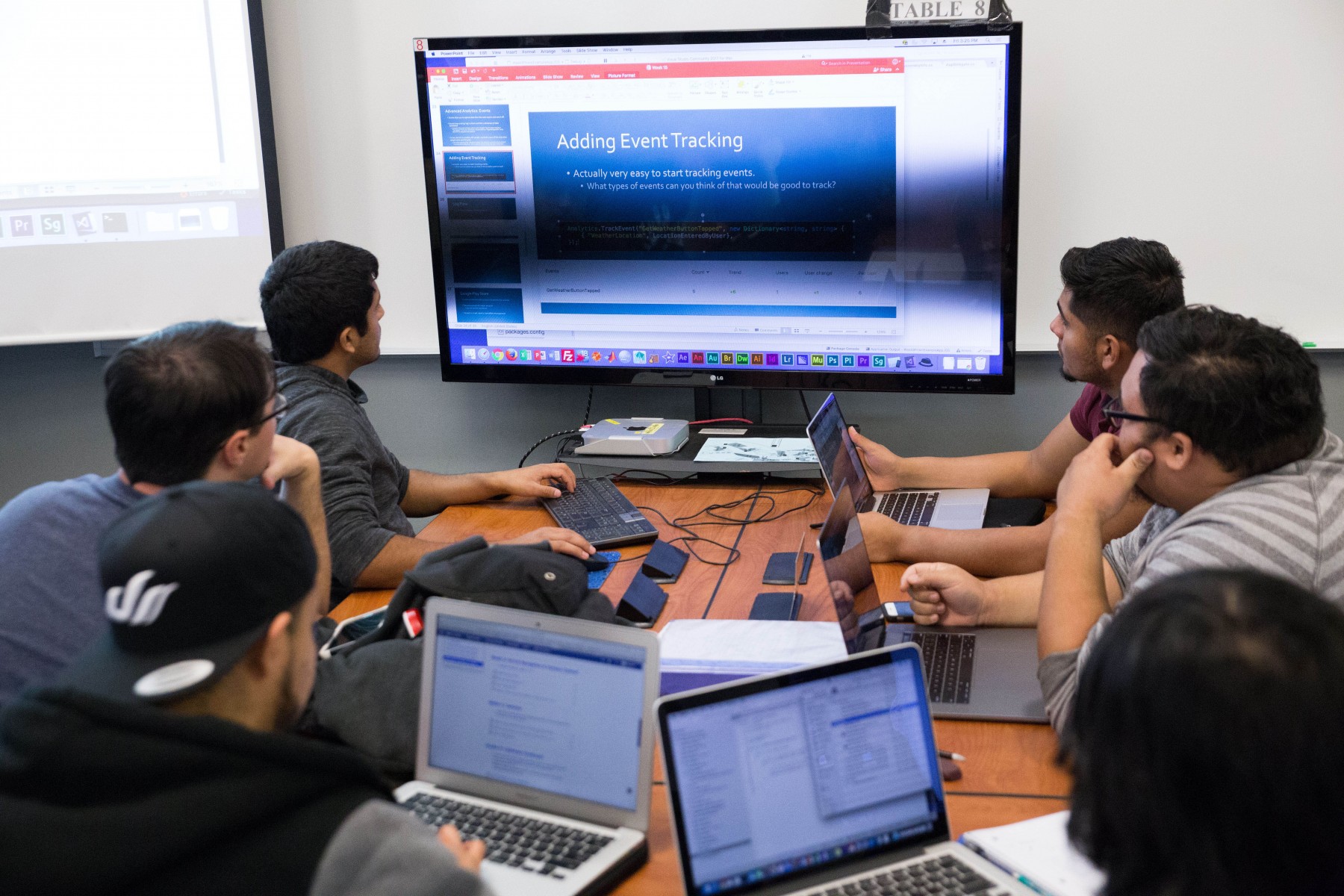
The importance of AI in modern software cannot be overstated. Tools like GitHub Copilot, powered by sophisticated language models, integrate seamlessly into popular code editors, offering context-aware suggestions that accelerate coding and reduce errors. As AI gains prominence in the development workflow, it becomes a key competitive advantage, helping teams deliver higher-quality applications faster.
For businesses looking to leverage these benefits, partnering with experts such as JSONCrew, specialists in technology consulting and AI-driven development, can make adoption smoother and more effective.
Key tools and technologies driving AI-assisted development

The AI development revolution relies on advanced tools that combine machine learning and natural language processing to understand and generate code intelligently. Leading the way is GitHub Copilot, a groundbreaking assistant developed in collaboration with OpenAI. It analyzes your project context to suggest code snippets, functions, or even entire classes, streamlining the coding process.
Beyond Copilot, other tools like Kite, TabNine, and DeepCode enrich the AI-assisted development ecosystem. These solutions provide syntax completion, error detection, and code optimization recommendations based on real-time analysis. Their integration with development environments ensures developers benefit from continuous AI support without disrupting their workflow.
Moreover, integrating AI tools with DevOps pipelines and version control systems introduces automation beyond coding—facilitating testing, deployment, and monitoring. This holistic approach improves agility and responsiveness to business requirements.
For companies seeking to maximize the benefits of these innovations, engaging with professional IT consulting can be crucial. JSONCrew offers professional IT consulting services specialized in implementing these cutting-edge tools and integrating AI into your development processes. By leveraging professional IT consulting, your team can harness technology efficiently and safely while ensuring lasting success in a rapidly evolving IT landscape.
Automating code with AI: benefits and capabilities

AI-driven code automation represents one of the most significant advancements in software engineering. It goes beyond simple autocomplete, enabling tools to generate meaningful code segments based on task descriptions or existing code context. For example, GitHub Copilot can suggest function implementations or entire code structures, allowing developers to bypass repetitive coding and concentrate on innovative problem solving.
The underlying AI models leverage large datasets and powerful algorithms to “understand” language semantics and programming patterns. This capability allows code assistants to adapt to individual coding styles and workflows, making suggestions more relevant and reducing the need for extensive manual corrections.
Automation also extends to generating tests, writing documentation, and refactoring code—tasks that traditionally consume valuable developer time. By handling these automatically, AI helps ensure higher quality software and speeds up delivery.
Organizations aiming to transform their development cycles can benefit greatly from expert guidance. JSONCrew provides comprehensive solutions to implement AI automation effectively while addressing quality and security considerations.
Practical use cases of AI-assisted development
Real-world applications of AI-assisted development tools demonstrate their transformative impact. GitHub Copilot, one of the most widely adopted assistants, operates directly within editors like Visual Studio Code, analyzing your code context and offering actionable suggestions instantly. Whether it’s implementing functions, generating unit tests, or integrating APIs, AI accelerates tasks that once required significant manual effort.
For instance, developers working in Python or JavaScript can leverage Copilot to write tests automatically or receive recommendations on API usage without exhaustive documentation review. This reduces onboarding time and enhances collaboration across teams.
AI’s contribution extends to debugging, where it can identify potential errors and propose fixes, significantly reducing time spent on troubleshooting. These advantages lead to improved productivity and code quality, making AI a valuable member of any development team.
By collaborating with specialists like JSONCrew, companies gain tailored support for adopting AI-assisted development, creating workflows that maximize these innovative tools’ potential.
Challenges and limitations of AI in programming
Despite its promise, AI in software development comes with challenges. AI models are only as good as the data on which they were trained, which means they might produce outdated or suboptimal code if not regularly updated. Developers must remain vigilant, reviewing AI-generated code to ensure it meets current standards and project requirements.
Another limitation is AI’s limited understanding of business context or unique project constraints. While excellent for routine tasks, AI may struggle with complex architectural decisions or creative problem-solving, areas where human expertise remains indispensable.
Security and privacy concerns also play a significant role. Using cloud-based AI tools involves risks such as potential data leaks or compliance violations. Organizations must carefully manage and monitor AI tool usage to safeguard sensitive information.
As AI technology evolves, ongoing research and development will address these issues, moving towards more reliable and secure AI partners for developers.
Conclusion: the future of AI-assisted software development
AI-assisted development is already reshaping how software is created by automating routine coding, improving productivity, and enhancing code quality. Tools like GitHub Copilot exemplify the tangible benefits developers experience today. As AI capabilities advance, we can expect even deeper integration into all development phases, leading to smarter automation and collaboration.
For companies seeking to stay ahead in this revolution, embracing AI-assisted development is essential. JSONCrew stands ready to assist businesses in adopting these technologies through expert consulting, tailored implementation, and continuous support—helping your team unlock its full potential with AI.
Take the next step with JSONCrew
If you want to boost your development team’s efficiency and embrace the power of AI-assisted coding, get in touch with JSONCrew. Specializing in AI development consulting, process automation, and integration of tools like GitHub Copilot, JSONCrew provides professional IT services designed to drive innovation and operational excellence.
Visit JSONCrew today to learn more about how AI can transform your software projects and discover tailored solutions for your business needs. Let JSONCrew be your expert partner on the journey toward smarter, faster, and more reliable software development.
By understanding and leveraging AI-assisted software development, IT professionals can achieve higher productivity and innovation levels. Stay informed, stay competitive, and explore the possibilities that AI opens with reliable partners like JSONCrew.


