Bluetooth 6.1 i angle of departure
web development, iot solutions

Bluetooth 6.1 i Angle of Departure – jak działa precyzyjna lokalizacja i jak ją wykorzystać w praktyce

Bluetooth 6.1 i Angle of Departure to nowoczesne technologie, które rewolucjonizują precyzyjną lokalizację urządzeń bezprzewodowych. Fraza kluczowa „bluetooth 6.1 AoD” pojawia się tu już na początku, by od razu zwrócić uwagę na główny temat. W tym artykule wyjaśnimy, jak działa bluetooth 6.1 z technologią angle of departure, przedstawimy najważniejsze zastosowania i korzyści oraz pokażemy, jak praktycznie wykorzystać tę technologię.
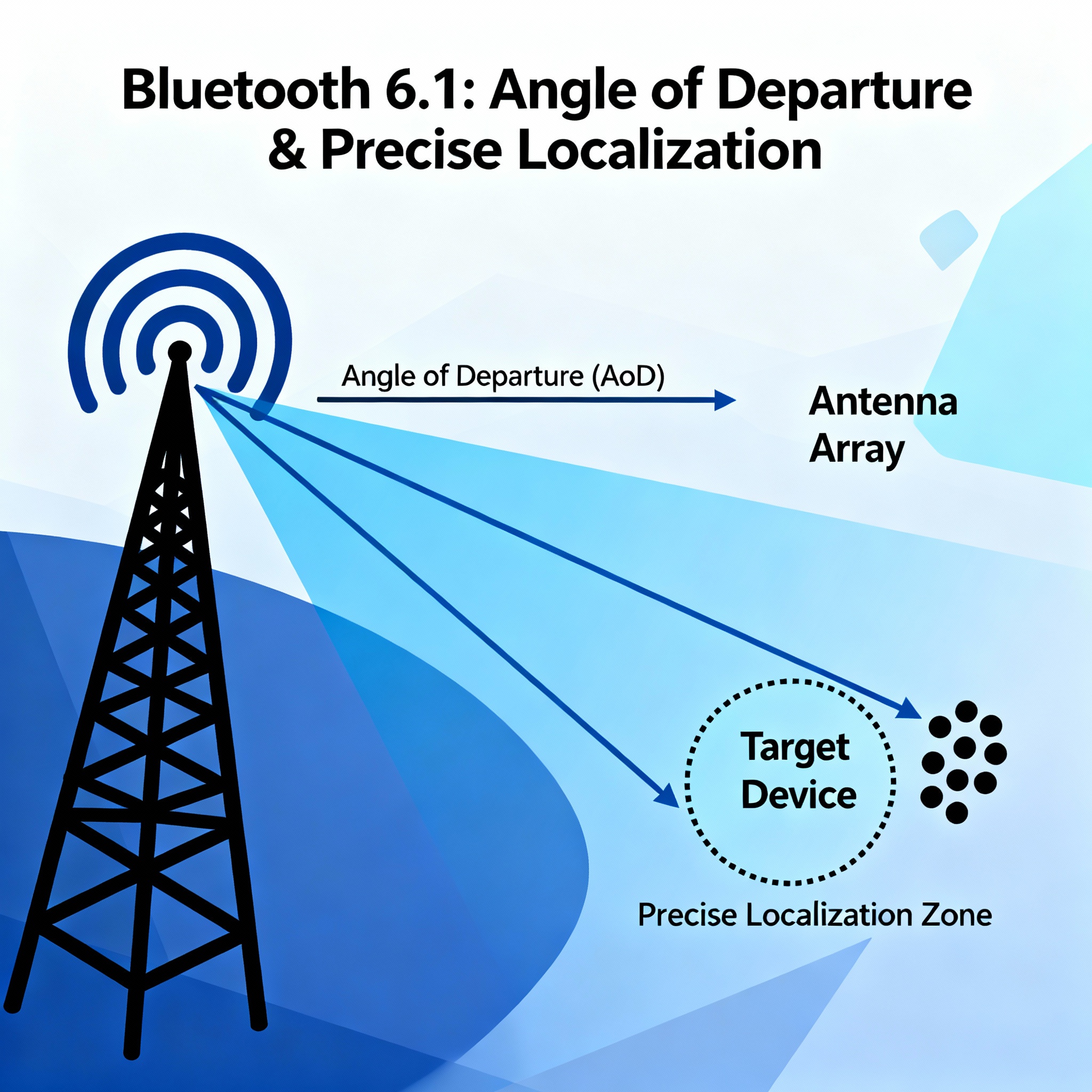
Infographic illustrating Bluetooth 6.1 with Angle of Departure for precise localization

Dlaczego bluetooth 6.1 AoD umożliwia precyzyjną lokalizację?

Bluetooth 6.1 wprowadza znaczące ulepszenia w zakresie bezpieczeństwa i efektywności energetycznej. Kluczowym elementem jest technologia Angle of Departure (AoD), która pozwala na bardzo dokładne określanie kierunku sygnału radiowego. Dzięki temu systemy lokalizacji mogą działać z precyzją rzędu centymetrów, znacznie przewyższając tradycyjne metody oparte na sile sygnału.

Jak działa bluetooth 6.1 z technologią angle of departure?

Technologia AoD polega na pomiarze fazy sygnału emitowanego przez wiele anten. Mając informacje o różnicach fazowych, urządzenie odbiorcze (np. smartfon) może wyliczyć kąt, pod którym dociera sygnał, co umożliwia precyzyjne określenie położenia nadajnika. Bluetooth 6.1 wspiera automatyczne przełączanie anten, co eliminuje interferencje i usprawnia pomiar.

Najważniejsze cechy bluetooth 6.1 AoD:

  • Wysoka precyzja lokalizacji, nawet do centymetra

  • Zoptymalizowane zużycie energii

  • Lepsza prywatność dzięki losowej rotacji adresów
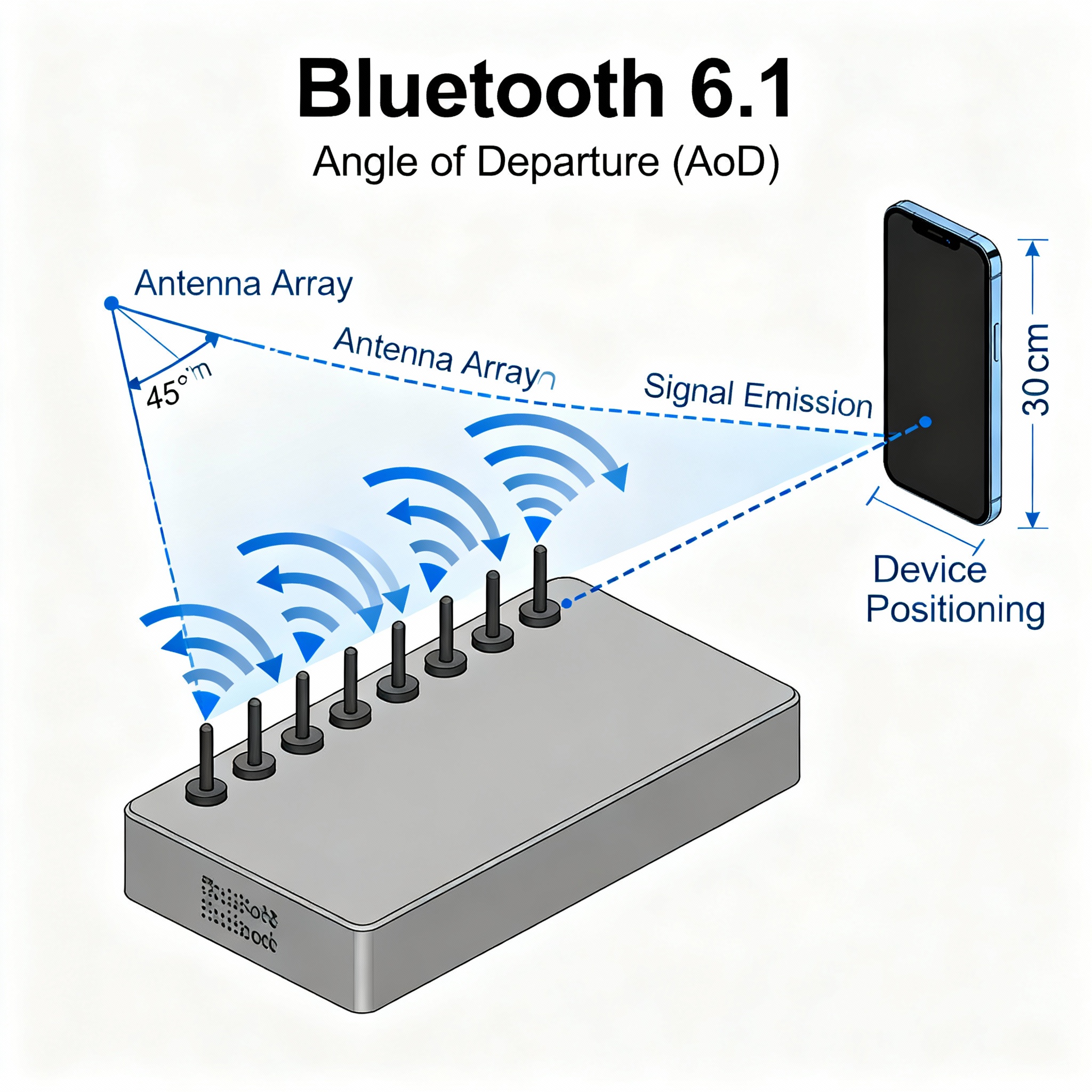
 

Technical diagram of Bluetooth 6.1 and Angle of Departure signal positioning


Zastosowania technologii bluetooth 6.1 AoD w praktyce

Bluetooth 6.1 angle of departure znalazł zastosowanie w wielu obszarach technologicznych i biznesowych. Oto niektóre najlepsze przykłady:

  • Systemy nawigacji wewnątrz budynków: dokładne wskazywanie pozycji w centrach handlowych, muzeach lub szpitalach.

  • Śledzenie aktywów i sprzętu: monitorowanie lokalizacji narzędzi i urządzeń w magazynach lub fabrykach.

  • Aplikacje zdrowotne i fitness: precyzyjna lokalizacja urządzeń medycznych oraz monitorowanie ruchu.

  • Marketing kontekstowy: personalizowane oferty w zależności od lokalizacji klienta.

Jak wykorzystać micropython do programowania bluetooth 6.1?

Micropython pozwala na szybkie i łatwe programowanie urządzeń Bluetooth 6.1. Dzięki wsparciu dla AoD programiści mogą tworzyć niestandardowe aplikacje lokalizacyjne i śledzące. Kluczowe kroki to:

  1. Inicjalizacja modułu Bluetooth 6.1 w mikrokontrolerze.

  2. Konfiguracja anten z obsługą angle of departure.

  3. Odbiór i analiza danych fazowych w czasie rzeczywistym.

  4. Implementacja algorytmów lokalizacyjnych i integracja z systemem.


Podsumowanie

Bluetooth 6.1 i angle of departure to technologie, które znacząco zwiększają precyzję lokalizacji urządzeń bezprzewodowych. Umożliwiają nowe zastosowania, od nawigacji wewnętrznej po marketing lokalizacyjny, a ich rozwój wpływa na poprawę bezpieczeństwa i długości pracy urządzeń. Znajomość zasad działania i praktycznych zastosowań jest dziś niezbędna dla specjalistów w branży technologii bezprzewodowych.

2.3/5 - (12 votes)

Bluetooth 6.1 i Angle of Departure – jak działa precyzyjna lokalizacja i jak ją wykorzystać w praktyce- contact us for more details

FAQ

What is the typical process of creating a custom application with your software house?

Our process consists of several well-defined stages to ensure the successful delivery of your custom application:

  1. Discovery Phase: We start by understanding your business needs and goals. We conduct workshops or meetings to gather all requirements, define the project scope, and ensure we align on expectations.

  2. Planning & Design: Based on the discovery phase, we create detailed plans and user stories. We also focus on UI/UX design to make sure the application is intuitive and user-friendly.

  3. Development: Our developers bring the design and plan to life by writing clean, scalable code. We use the latest technologies to ensure the app is robust, secure, and fast.

  4. Testing: Quality assurance is essential, so we thoroughly test the application at every stage of development. This includes functional, performance, and security testing.

  5. Deployment: Once testing is complete, we deploy the app in the live environment, making sure it’s ready for real users.

  6. Maintenance & Support: After deployment, we offer ongoing maintenance and support to ensure your app runs smoothly and stays up-to-date with evolving needs.

Working with a software house offers numerous advantages:

  1. Expertise & Experience: Software houses bring a wealth of experience across various industries. Our teams consist of experts in development, design, testing, and project management, so you get a high-quality product backed by professionals.

  2. Cost Efficiency: Hiring and training an in-house team can be expensive and time-consuming. By partnering with a software house, you only pay for the services you need when you need them.

  3. Scalability: As your project grows, a software house can easily scale resources up or down to meet your needs. Whether you need more developers, designers, or testers, we can provide the necessary support without the hassle of recruitment.

  4. Faster Time-to-Market: Our streamlined processes and experienced teams ensure your project is delivered on time, helping you get to market faster and stay ahead of the competition.

  5. Focus on Core Business: By outsourcing development to a software house, you free up your internal resources to focus on what you do best — running your business.

  6. Risk Mitigation: With an experienced software house, the risk of project failure is minimized. Our teams are skilled at identifying potential issues early and providing proactive solutions.

  7. Latest Technology & Tools: Software houses stay up-to-date with the latest technologies and development trends. You’ll benefit from cutting-edge solutions that may not be feasible with an in-house team that lacks specific expertise.

Security is a top priority in our development process. We implement a variety of best practices to ensure your application is secure:

  1. Secure Development Practices: We follow secure coding standards to minimize vulnerabilities.

  2. Regular Security Audits: Our development team conducts regular security audits and vulnerability scans during the entire development process.

  3. Data Protection: We prioritize user data protection, ensuring all personal and sensitive information is handled according to the latest security regulations and standards.

  4. Testing for Security Flaws: Our testing process includes penetration testing and other security assessments to identify and address potential risks.

Other articles