
In today’s fast-evolving world of mobile and web application development, creating solutions that function seamlessly across multiple platforms is crucial. Cross-platform development offers companies and developers the ability to build apps that run on Android, iOS, and web browsers using a single codebase, saving time and resources. This comprehensive guide aims to introduce the fundamentals and advantages of cross-platform development, with a special focus on Progressive Web Apps (PWA) and popular mobile frameworks, helping IT professionals and developers make informed decisions and accelerate their project delivery.

Understanding the Basics of Cross-Platform Development
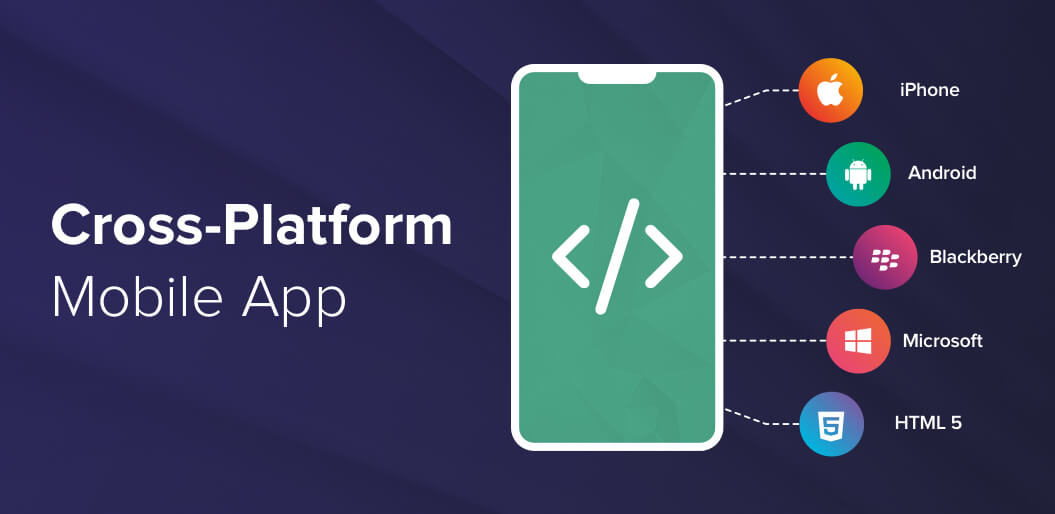
Cross-platform development refers to creating software that works on multiple systems. What is cross-platform development means using one codebase for many devices. This approach saves time and costs and ensures consistency.
A key technology is the Progressive Web App (PWA). How does an app work without internet? PWAs offer offline use by storing data locally and sending push notifications for updates.
Businesses often wonder, do I need an app store to use an app? PWAs do not require app store downloads, simplifying access and lowering barriers.
Installing a PWA is straightforward. Users search, how to install an app on phone home screen to add PWAs quickly and run them like native apps.
Discover how JSONCrew can support you in mastering cross-platform development and launching effective multi-platform applications.
Popular Mobile Frameworks for Cross-Platform Development
Frameworks are essential enablers in cross-platform development, bridging the gap between code and device-specific functionalities. Among the top contenders are React Native, Flutter, and Xamarin, each offering distinctive capabilities tailored to different project needs.
- React Native, developed by Facebook, allows building native-like apps using JavaScript and the React library. It quickly converts components to native elements, ensuring smooth user interaction and tapping into a vast ecosystem of plugins. This framework is ideal for projects prioritizing rapid development and community-backed solutions.
- Flutter, Google’s offering, employs the Dart language and its own rendering engine to craft visually appealing interfaces across platforms. It shines with high performance and fine-grained UI control. Flutter stands out where sophisticated animations and custom designs are required.
- Xamarin, integrated into Microsoft’s ecosystem, utilizes C# to share a substantial portion of the app code across platforms. It aligns well with enterprise environments familiar with .NET technologies, providing deep access to native APIs and solid Visual Studio integration.
Choosing the appropriate framework depends on project scope, performance needs, design complexity, and team expertise. JSONCrew offers expert consulting to help you pick the right tools and frameworks to elevate your application development.

Progressive Web Apps (PWA) – What They Are and Why You Should Build Them
Progressive Web Apps combine websites and native apps into one versatile solution. PWAs work reliably regardless of connectivity and load quickly. They provide native app-like experiences directly from web browsers. PWAs use web technologies like HTML, CSS, and JavaScript with modern enhancements. Enhancements include service workers and manifests.
PWAs offer instant availability via URLs and offline functionality. They support how to receive notifications from an app through push notifications and installation on home screens. PWAs avoid app store approval hurdles. This makes PWAs ideal for businesses seeking broad reach.
Businesses avoid managing multiple native app versions with PWAs. Native apps still excel in performance and hardware integration. To stay competitive, it’s important to know how to improve app performance on phone when using PWAs. However, PWAs grow as cost-effective and user-friendly alternatives. JSONCrew offers expert support for PWA development and optimization.
Practical Examples of Cross-Platform Apps and PWA Development
To illustrate the power and practice of building multi-platform applications, consider the leading frameworks and their applications:
- With React Native, developers craft native user interfaces for both Android and iOS from a JavaScript codebase, accelerating development cycles and lowering costs.
- Flutter facilitates the creation of visually stunning and performant apps that run not only on mobile devices but also on desktop and web platforms, focusing on elegant designs and fast rendering.
- Building PWAs with frameworks like Angular or Vue.js empowers developers to create installable, fast-loading, offline-capable web apps. Implementing service workers and proper manifests ensures smooth user experiences that rival native apps.
These examples highlight that, regardless of your project’s specific demands, leveraging modern cross-platform technologies makes multi-device deployment efficient and scalable. JSONCrew’s team is ready to assist with integrating these technologies to bring your vision to life.
SEO and Optimization for Cross-Platform Apps and PWAs
Search engine optimization (SEO) extends beyond traditional websites and is increasingly vital for cross-platform applications and PWAs. Ensuring that app content is accessible and indexable by search engines can significantly improve visibility and user acquisition.
Strategies include server-side rendering (SSR) or static content delivery to help search engines interpret app content effectively, minimizing excessive JavaScript that can hinder loading speed and rankings. Optimizing app responsiveness and load times on mobile devices aligns with core SEO principles, enhancing user engagement metrics crucial for search rankings.
Integrating meta tags, structured data, and tools like Google Search Console and Lighthouse enables ongoing monitoring and enhancement of app presence in search results.
For tailored SEO solutions and performance optimization based on your app’s architecture, JSONCrew offers specialized services to maximize your digital footprint.
Conclusion: Summary and Outlook
Cross-platform development and Progressive Web Apps represent powerful, economical approaches in today’s competitive app marketplace. They accelerate development, reduce costs, and expand accessibility, offering businesses and developers unprecedented reach. Knowing how to choose the best way to make an app is vital to maximize benefits and ensure project success.
Looking ahead, these technologies will continue to evolve, enabling richer features and deeper device integrations, further solidifying their role as foundational tools in software development.
Call to Action: Accelerate Your Project with JSONCrew
If you are seeking professional guidance and reliable support in building cross-platform applications or Progressive Web Apps, JSONCrew is your expert technology partner. We provide comprehensive development services, technology consulting, and implementation strategies tailored to your needs.
Contact us today to fast-track your application development using the latest frameworks and tools.
Whether you are a developer, IT professional, or business leader, mastering cross-platform development and PWAs unlocks new opportunities for innovation and growth. Let JSONCrew help you navigate this dynamic landscape and deliver standout applications efficiently and effectively. Visit jsoncrew.com to learn more.


