
In today’s rapidly evolving technological landscape, spatial computing is redefining how we interact with digital and physical worlds. It creates a seamless fusion where digital information inhabits real-world spaces. The result is highly immersive and interactive environments that transform everyday experiences. This isn’t science fiction—it’s the essence of spatial computing, powered by AR, MR, and immersive technology. For developers and IT professionals, understanding innovations, tools, and challenges in this field is essential.
Understanding the basics of spatial computing
Spatial computing refers to the technology that blends digital content with physical environments, enabling users to interact naturally with augmented spaces. By employing advanced sensors, 3D cameras, and sophisticated algorithms, systems can map and interpret physical surroundings, integrating virtual elements contextually and realistically.
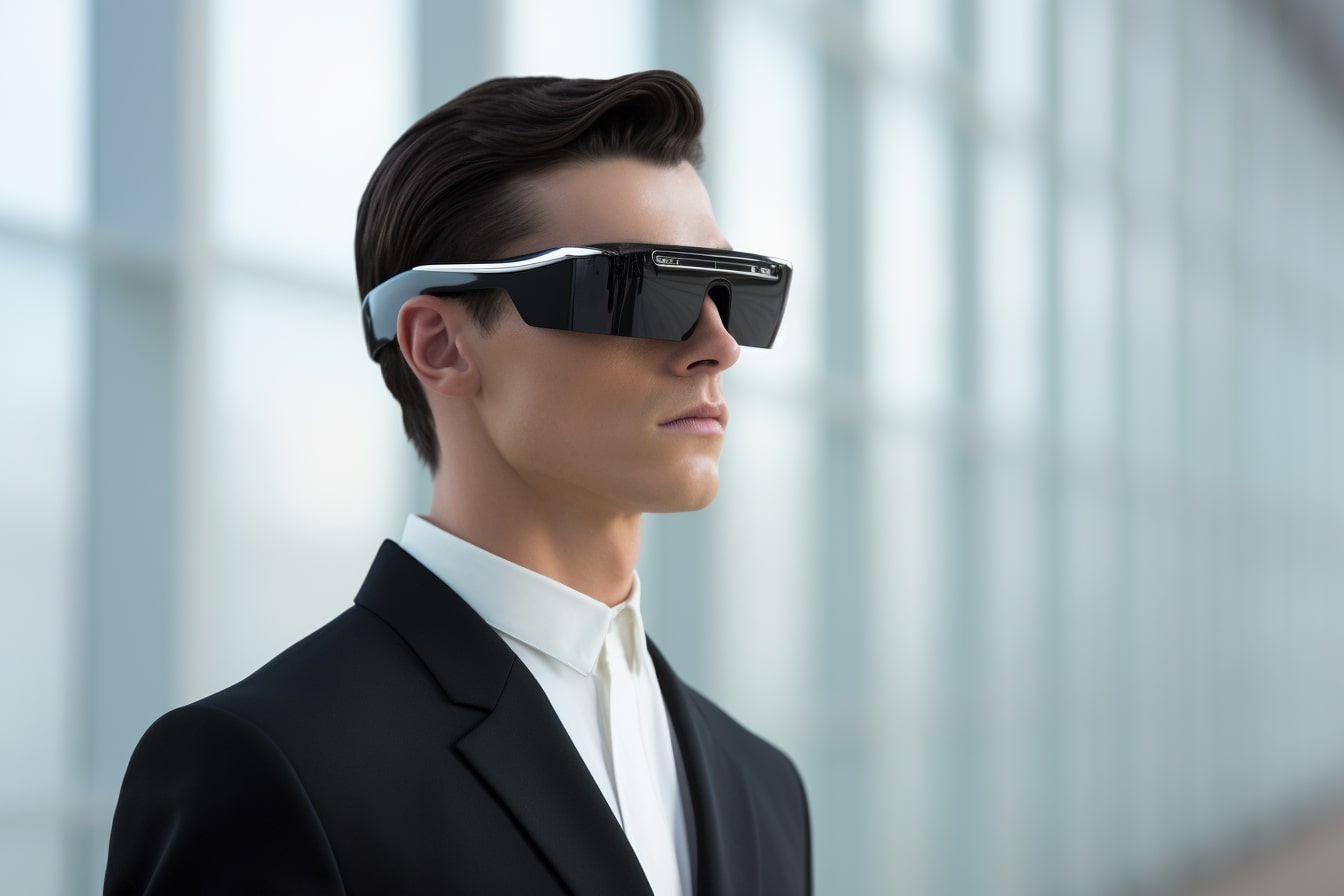
At its core, spatial computing leverages AR and MR technologies. Augmented reality overlays digital information onto the real world, enhancing what the user perceives. Mixed reality goes further, allowing virtual objects to coexist and interact dynamically with real environments. Together, they form a powerful ecosystem enabling entirely new forms of communication, education, entertainment, and work.
Key components in this ecosystem include AR/MR headsets, motion sensors, powerful processors, and high-speed network infrastructure that facilitate real-time data transmission and synchronization. The result is an immersive experience that is intuitive, highly interactive, and functionally rich.
For those interested in fully leveraging these emerging capabilities, professional support in application development and technological consulting is invaluable. Companies like JSONCrew specialize in creating AR and MR applications, providing expert IT consulting and integration services tailored for businesses eager to adopt spatial computing solutions.
Latest innovations driving spatial computing forward
The spatial computing domain has witnessed remarkable progress in recent years, catalyzed by leaps in both hardware and software technologies. On the hardware side, next-generation AR and MR devices such as Microsoft HoloLens 2 and Magic Leap offer enhanced display resolution, wider fields of view, and precise motion tracking. These improvements make digital overlays more natural and immersive.
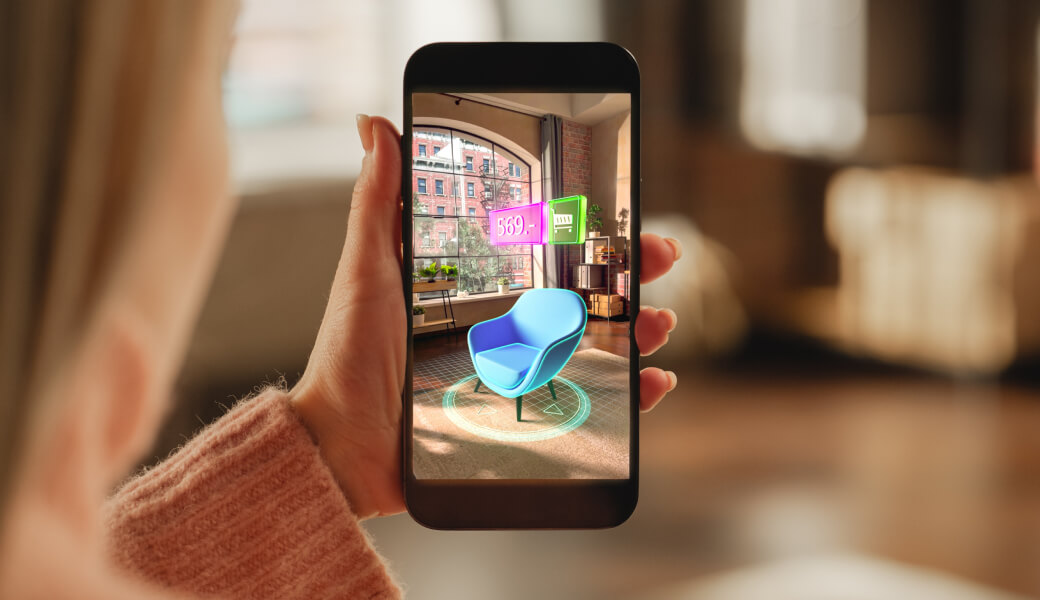
Complementing these devices, advances in 3D sensing technologies empower systems to accurately map environments, improving the realism and responsiveness of virtual interactions. Another breakthrough is the emergence of lightweight, ergonomic, and wirelessly connected headsets that facilitate comfortable, all-day use—making immersive experiences more accessible.
From a software perspective, AI integration has become a game changer. Intelligent recognition of objects, predictive user behavior modeling, and even real-time data translation are now feasible, greatly enriching AR/MR applications. Leading development platforms like Unity and Unreal Engine provide sophisticated tools for creating striking immersive worlds, enabling developers to prototype rapidly and deploy innovative solutions.
The rollout of 5G networks addresses critical bottlenecks by dramatically boosting data transfer speeds and lowering latency. This enhancement supports mobile and distributed spatial computing systems, enabling smooth, real-time remote collaboration and multi-user gaming experiences in augmented environments.
Moreover, the advent of haptic technologies allows for tactile feedback within spatial computing apps, enhancing user immersion by letting individuals “feel” virtual objects. This multisensory dimension adds a new layer of engagement to interactive spatial solutions.
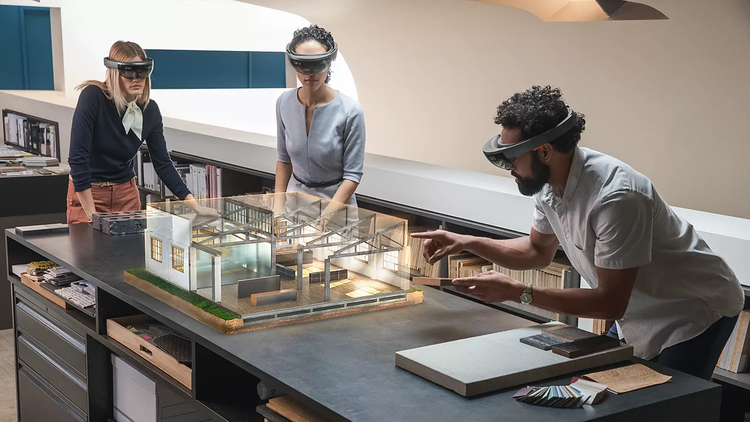
Together, these innovations—advanced hardware, intelligent software, robust connectivity, and haptic feedback—form the backbone of spatial computing’s future, promising widespread adoption across industries such as education, healthcare, manufacturing, and entertainment.
Practical applications and tools for developers
For developers stepping into the world of spatial computing, a variety of tools and frameworks simplify the creation of AR and MR applications. Popular platforms include:
- ARKit (Apple): Offers deep integration with iOS devices, providing capabilities like spatial tracking, object recognition, and interoperability with Unity.
- ARCore (Google): Provides Android developers with tools for environmental detection, motion tracking, and real-time 3D rendering.
- Microsoft Mixed Reality Toolkit (MRTK): Designed for HoloLens and other mixed reality hardware, enabling the development of complex spatial applications.
These toolkits not only speed up prototyping but also support integration with AI and embedded sensors, increasing application depth and responsiveness.
Developers can start by mapping physical environments and detecting flat surfaces, a foundational step in anchoring virtual objects in the real world. For example, by leveraging ARKit’s spatial tracking, an application can accurately identify and visualize horizontal and vertical planes, allowing users to place virtual furniture or models within their real surroundings.
Further development with platforms like Unity enables the creation of immersive experiences that respond intuitively to user inputs such as touch gestures. This interaction layer is critical for making spatial computing applications engaging, user-friendly, and practical.
As device capabilities grow and software evolves, practical spatial computing applications will include context-aware environments adapting to user needs using AI, collaborative remote workspaces, and enhanced training simulations.
Business leaders and developers interested in these opportunities can benefit from JSONCrew’s expertise in AR/MR app development and consulting. Their team specializes in guiding companies through the complexities of spatial computing projects, ensuring efficient and innovative solutions.
Challenges and the future outlook of spatial computing
Despite progress, spatial computing faces challenges that must be resolved to achieve its full potential. Integrating AI and 5G is complex, requiring strong infrastructure and computing power for mobile and distributed systems. Privacy and security concerns emerge as personal and environmental data is continuously processed in mixed reality spaces, demanding new standards and regulations.
Current AR and MR devices are costly and technically demanding, which limits their wider adoption. Creating intuitive interfaces enabling effortless interaction remains a critical area for development. Simplifying ergonomics and reducing costs will be essential for spatial computing to reach mainstream audiences.
AI integration promises increasingly sophisticated, personalized, and context-aware experiences. 5G networks will deliver highly responsive, low-latency applications accessible to wider audiences worldwide. This evolution will unlock new business models and use cases spanning industry, education, healthcare, and entertainment.
Spatial computing is more than a passing trend—it forms the foundation of immersive technologies shaping digital and physical interaction. Overcoming current challenges will unlock unprecedented possibilities in how people create, communicate, and collaborate.
Enterprises seeking to embrace this cutting-edge field should partner with experienced providers for professional development, IT consulting, and tailored integration services that ensure innovation and strategic growth.
Elevate your business with spatial computing solutions from JSONCrew
As spatial computing transforms industries, success requires adopting new technologies with expert guidance. JSONCrew provides AR/MR development, consulting, and deployment support. Whether exploring custom software, seeking strategy advice, or automating processes with AR/MR, JSONCrew delivers proven expertise. Learn more about their services supporting digital transformation at jsoncrew.com.
Unlock the future of interactive immersive technology today. Contact JSONCrew to discover how spatial computing innovations can drive your business forward.


