
PowerPoint meetings, presentations and training sessions are limitations. You need a room that is engaging and memorable.
Interaktywna sala konferencyjna to nie koszt, tylko transformacja sposobu komunikacji. Uczestnicy nie tylko słuchają - współpracują, notują, zapamiętują. Skalowanie przestaje być kwestią liczby sal.
Strategy meeting, 2 p.m. Presenter shows slides, participants look at screen. After an hour, no one remembers what was most important. . Notes scattered, decisions unclear, knowledge lost.
This is not a unique situation. It's an everyday occurrence in companies that hold meetings, training sessions and presentations.
The problem is not that the participants are not listening. The problem is that presentation does not engage. . If participants just watch and listen, they don't remember. If they can't cooperate, they don't get involved. And if they don't engage, the meeting loses its meaning.
An interactive classroom is not just a touch screen. It's a way for participants to not only listen, but collaborate, take notes and remember. Zamiast patrzeć w ekran - uczestnicy dodają komentarze, zadają pytania, współpracują. Zamiast zapominać - wszystko jest zapisane i dostępne.
The best interactive classrooms don't just display a presentation. They allow participants to collaborate. Notes are shared, comments are visible to all, materials are instantly available. Uczestnicy nie tylko słuchają - tworzą wiedzę razem. . It's the difference between "meeting" and "cooperating.".
Most companies think the solution is better presentation. The real solution is how participants engage with content. . If participants can collaborate, they remember more. If they can go back to the materials, they apply the knowledge. It's the difference between "I was at the meeting" and "I know what was important.".
An interactive classroom is not hardware. To zmiana sposobu komunikacji - z "prezentacja dla uczestników" na "współpraca z uczestnikami". . And this is what we are implementing.
Jeśli to brzmi znajomo - tracisz uwagę uczestników, bo prezentacja nie angażuje.
This is not the problem of the participants. It's the result of a lack of interaction and involvement.
Participants don't remember content after meeting
Prezentacja PowerPoint, wykład, notatki na kartce - uczestnicy słuchają, ale nie zapamiętują. Po spotkaniu nie wiedzą, co było najważniejsze. Stracona wiedza, stracony czas.
Lack of commitment during meetings
Participants look at the screen, but think about other things. No interaction, no questions, no discussion. The meeting goes on, but nothing happens. A missed opportunity for cooperation.
Notes scattered and illegible
Everyone takes notes differently, on cards, on the phone, on the laptop. After the meeting, no one knows what was most important. No common version, no access to materials. Lost knowledge.
Lack of real-time collaboration
Participants cannot cooperate during the meeting. They cannot add comments, questions, ideas. Everything must wait until the end. A lost opportunity for immediate cooperation.
No access to materials after the meeting
A presentation sent by email, notes on cards, a recording somewhere in the cloud. Participants don't have access to full materials, can't go back to important moments. Lost knowledge.
High costs of organizing meetings
Room rental, equipment, catering, participants' time. Meetings cost money, but don't always produce proportional results. No way to increase efficiency without a proportional increase in costs.
How we prepare an interactive conference room
It's not a technical project. It's a transformation of the way we communicate.
Analysis of communication and meeting processes
First we understand how your meetings, trainings, presentations work. What are the goals, what are the processes, where are the bottlenecks. We don't start with equipment, we start with communication effectiveness. If the processes are chaotic, no room will fix it.
Designing interactive scenarios
We know how your meetings work. Now we are designing how the interactive room should work. What functionalities, what interactions, what collaboration opportunities. These are business decisions you have to make on your own. Technology can automate communication, but it will not make strategic decisions for you.
Interface design and functionality
We are only now designing the interface. What the presentation looks like, what functionalities, what integrations. Everything based on communication processes, not on "pretty looks.". Each functionality has a business purpose - zwiększenie zaangażowania, lepsze zapamiętywanie, dostępność materiałów.
Integrations with existing systems
The Room doesn't operate in a vacuum. We integrate it with your meeting system, calendar, knowledge base, email. Everything works automatically, without manual rewriting. Notatki trafiają do systemu automatycznie, materiały są dostępne od razu, raport generuje się automatycznie - wszystko w tle.
Implementation and training
The room is ready. Now we implement it with your team. Training, documentation, support. The responsibility for implementation lies with us. Ty decydujesz, my wdrażamy. Nie musisz być ekspertem od technologii - my to robimy.
Analytics and optimization
The room works. Now you can see real-time data: how many people attended, what were the highlights, how much material was used. Decisions based on data, not hunches. We optimize based on results, not hope.
What will change in your company
An interactive conference room is not a cost. It's an investment in effective communication.

Better memorization of content
Uczestnicy nie tylko słuchają - współpracują, notują, zapamiętują. Interaktywne elementy zwiększają zaangażowanie i poprawiają zapamiętywanie. Wiedza zostaje, nie znika.
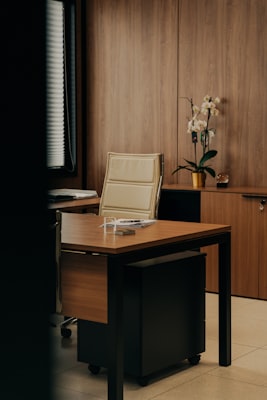
Real-time collaboration
Participants can add comments, ask questions, collaborate during the meeting. Everything visible to everyone, everything recorded. Immediate collaboration, no waiting until the end.

Shared notes and materials
All notes, comments, materials in one place. Participants have access to the full materials immediately, not after the meeting. Knowledge available, not lost.
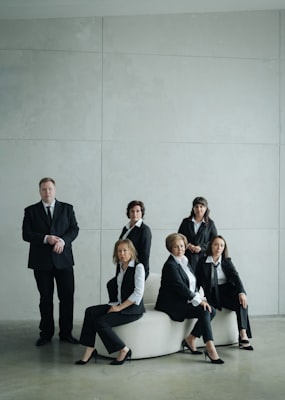
Increased involvement of participants
Interaktywne elementy, możliwość współpracy, natychmiastowa reakcja - uczestnicy angażują się, nie tylko słuchają. Lepsze spotkania, lepsze efekty.
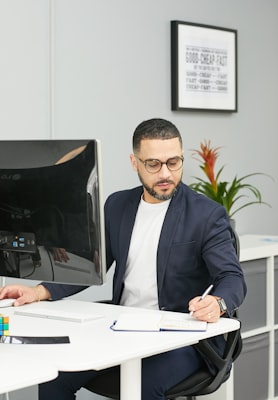
Access to materials after the meeting
All materials, notes, recordings available immediately after the meeting. Participants can go back to important moments, apply knowledge. Zero lost knowledge.

Scale up without increasing costs
More meetings don't require more rooms. An interactive room supports more participants, more content, more collaboration. Scaling = better utilization, not more cost.
Confirmation of our skills
Results that speak for themselves
Reduce service costs after kiosk implementation. Scaling up without increasing costs. Kiosk doesn't get sick, doesn't go on vacation, works 24/7.
SEE CASE STUDY →Reduction in the number of questions from customers after implementing the configurator. Customers find answers on their own, without calling.
SEE CASE STUDY →Start your communication transformation
This is more than a free consultation. It's a concrete conversation about implementing an interactive conference room for companies ready to make decisions and take action. Fill out the form and we will prepare an initial analysis and action plan for you.
30-45 minutes. No obligation.
No. It's a qualifying interview to see if we can help.
No. After the interview you will get a recommendation, the decision is yours.
All the better. That's exactly the kind of process we implement - tailored to your business.
Typical questions and objections
We answer customer questions before they ask them
The cost depends on the scope of implementation - from a simple interactive room to full integration with existing systems. At the first conversation (free of charge) we will define the scope and give you a specific quote. The rule: first decisions, then budget. No commitments.
No. That's what we do - first we understand how your meetings work, then we design the processes, and finally we build the room that supports that. We don't start with the equipment, we start with the effectiveness of the communication.
Depends on the scope: analysis and design 1-2 weeks, implementation 2-4 weeks. But the first effects (e.g., basic interactivity) are already visible 1-2 weeks after the start of implementation. Full transformation is 1-2 months, but you don't wait for the "end of the project". - you see the effects on an ongoing basis.
Yes, we integrate what you have if it works. Calendar, meeting system, knowledge base, email - everything can work together. If the system is blocking efficiency, we will suggest a change, but first we determine business decisions, then technical ones.
All the better. This is exactly the kind of room we implement - tailored to your business. Complex presentations, multiple participants, complicated processes - all of this can be automated interactively. You don't have to be a technology expert - we do it.
Yes and no. You make strategic decisions, provide access to data, attend sessions. We take responsibility for the analysis, the design, the implementation, the result. You don't have to be a technology expert - we do it. You decide, we implement.