What is RAG? A short, straight-to-the-point guide for non-technical people

RAG to AI that searches your documents before answering. How it works, when it makes sense, how much it costs, and what it doesn't promise – without jargon.
RAG to AI that searches your documents before answering. How it works, when it makes sense, how much it costs, and what it doesn't promise – without jargon.

Before you sign off on a budget for “AI implementation,” it’s important to know that this isn’t a single product. There are five architectures—ranging from simple chatbots to RAG and agents—each with its own costs and limitations.

Automation rarely loses to technology. Most often it loses to narrative. In conversations with boards, the topic of automation comes up regularly. Everyone knows that „something has to be done.” Everyone feels the pressure of the market. And yet many projects never get beyond the slides in the presentation. Why? Because a few convenient myths have grown up around automation. They sound reasonable. They are often repeated in good faith. … The biggest lies about automation that we hear from managements
Questions you have in mind before implementing AI anyway: what's the difference between tools, how much does it cost, what can go wrong, and where to start without burning through your budget. Answers in the style of „What does the client want to know?” – directly, with tables, and without empty promises.
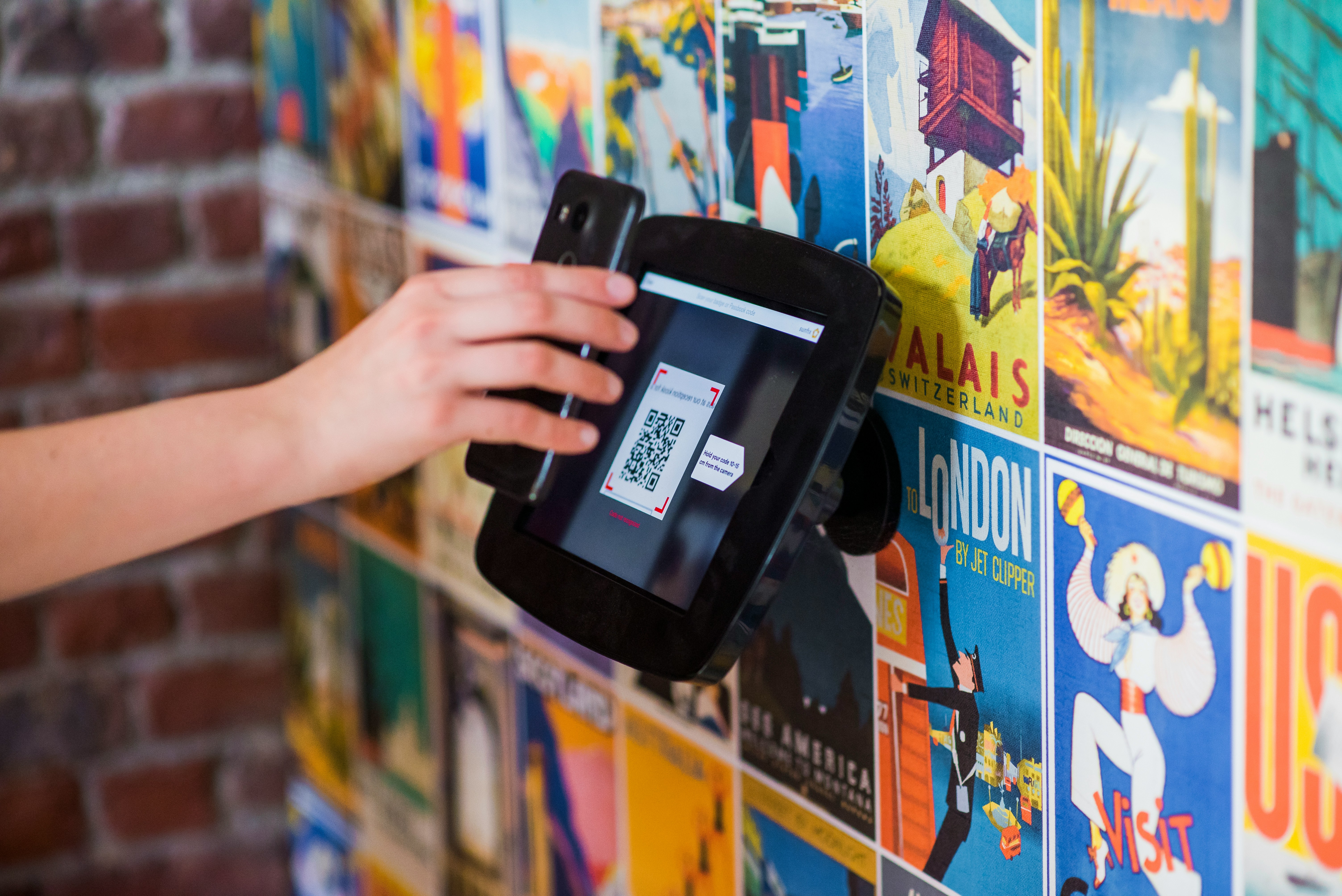
Many managers think of kiosks this way: “It’s just another sales screen.” In reality, it’s a shift in the architecture of the purchasing decision. Interactive kiosks and self-service tools not only reduce service costs and shorten lines—they also eliminate the psychological and operational steps that normally slow down the purchase. And that’s exactly why they effectively shorten the purchasing journey. 1. The customer stops “waiting for a person” CONFIGURATOR Check … Why do interactive kiosks and self-service tools shorten the purchase path?

Many companies, faced with a long sales cycle, react automatically: “We need to train the salespeople.”“They need to close deals faster.” “We need a better pitch.” And then a quarter goes by, the training budget disappears, and… the sales cycle hardly changes at all. Because the problem often isn’t with the people at all. It’s that sales operate just like they did in 2012: emails instead of a system, Excel instead of a process, and knowledge stored in people’s heads. … B2B sales is not free by people. It is free by process.

Where is the data, who can see it, and is it used to train the model? The five pillars of AI security and a pre-deployment checklist—without the marketing hype.

Standard BLE could only tell you one thing: “The device is near or far.” That is RSSI (signal strength). The problem: walls dampen the signal, people block it, reflections off metal amplify it. The result? A location error of 5-15 meters. Useless for manufacturing, hospitals or warehouses. What was needed was not “how strong is the signal” but: “Which direction is it coming from / which direction is it leaving in.” What is Angle of … Bluetooth 6.1 and Angle of Departure: How Precise Location Works and How to Use It in Practice