3D Product configurator for manufacturers | JSON Crew

Services · a production-ready configurator in 8 weeks

Your customer configures the product.
Your sales rep starts selling.

See the configurators in action

Every configurator on its own page

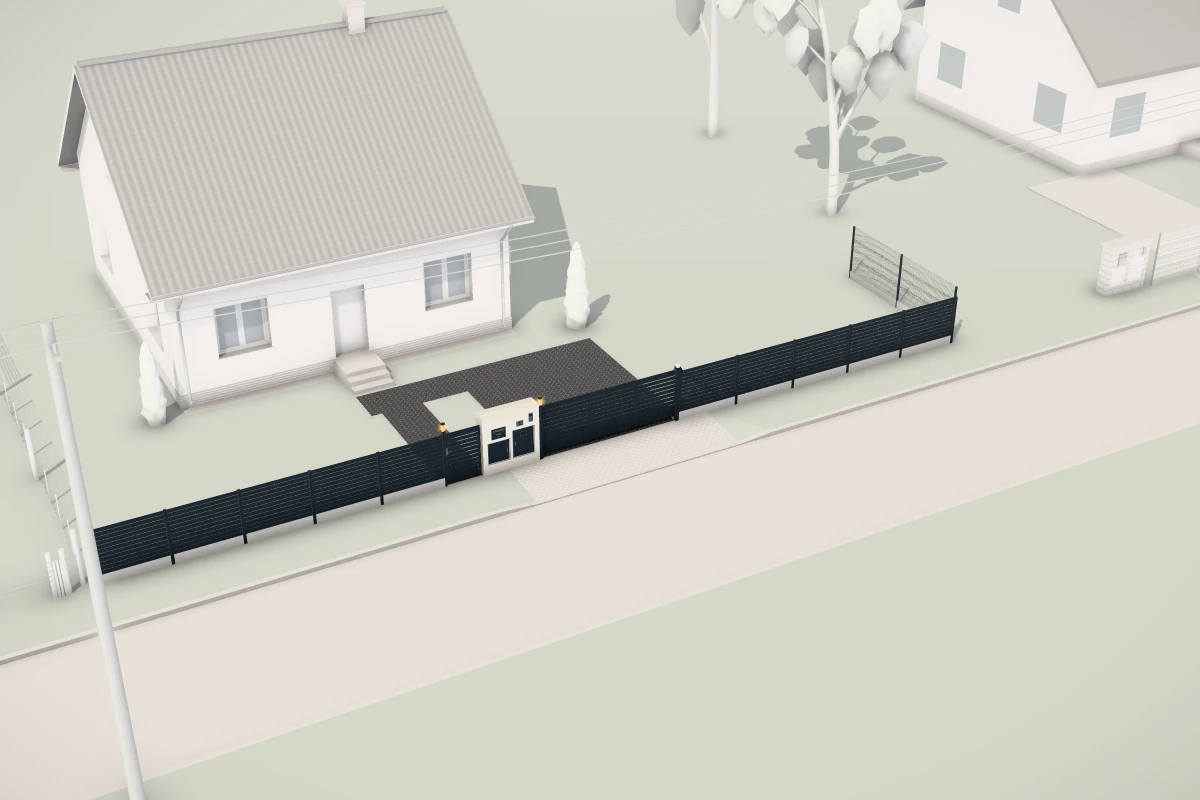
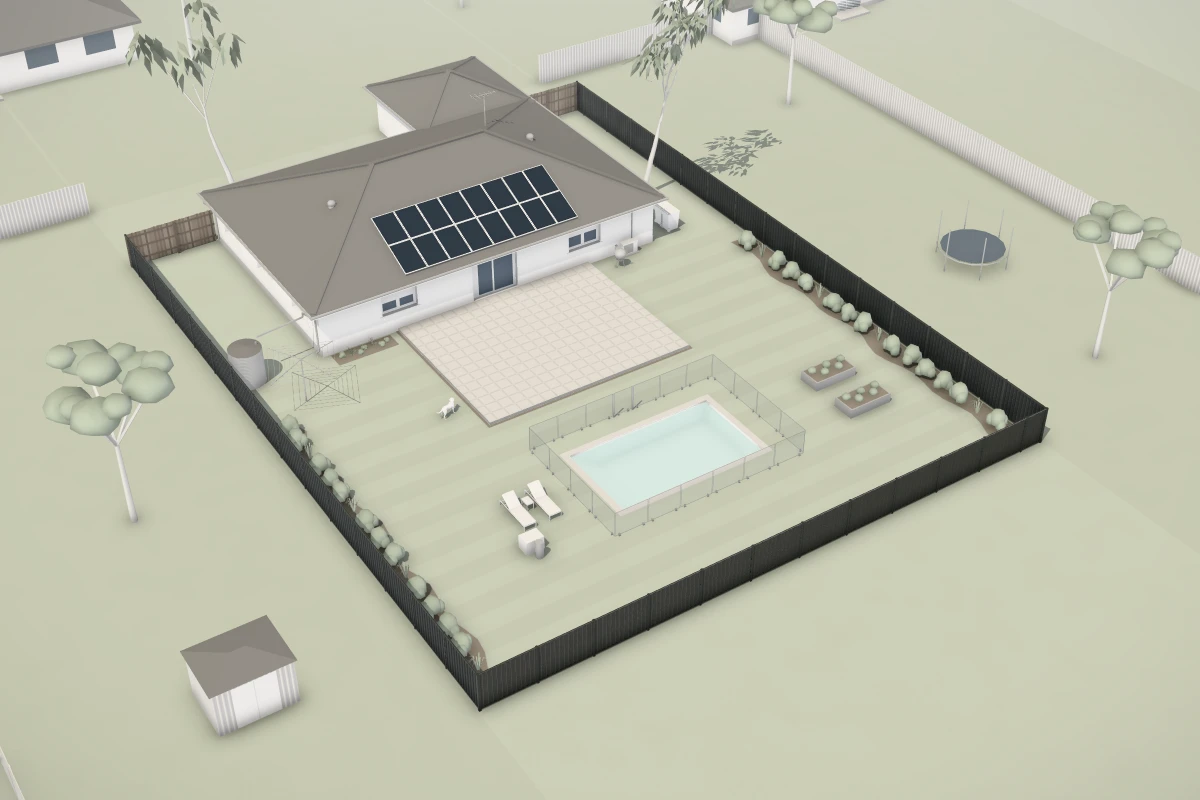
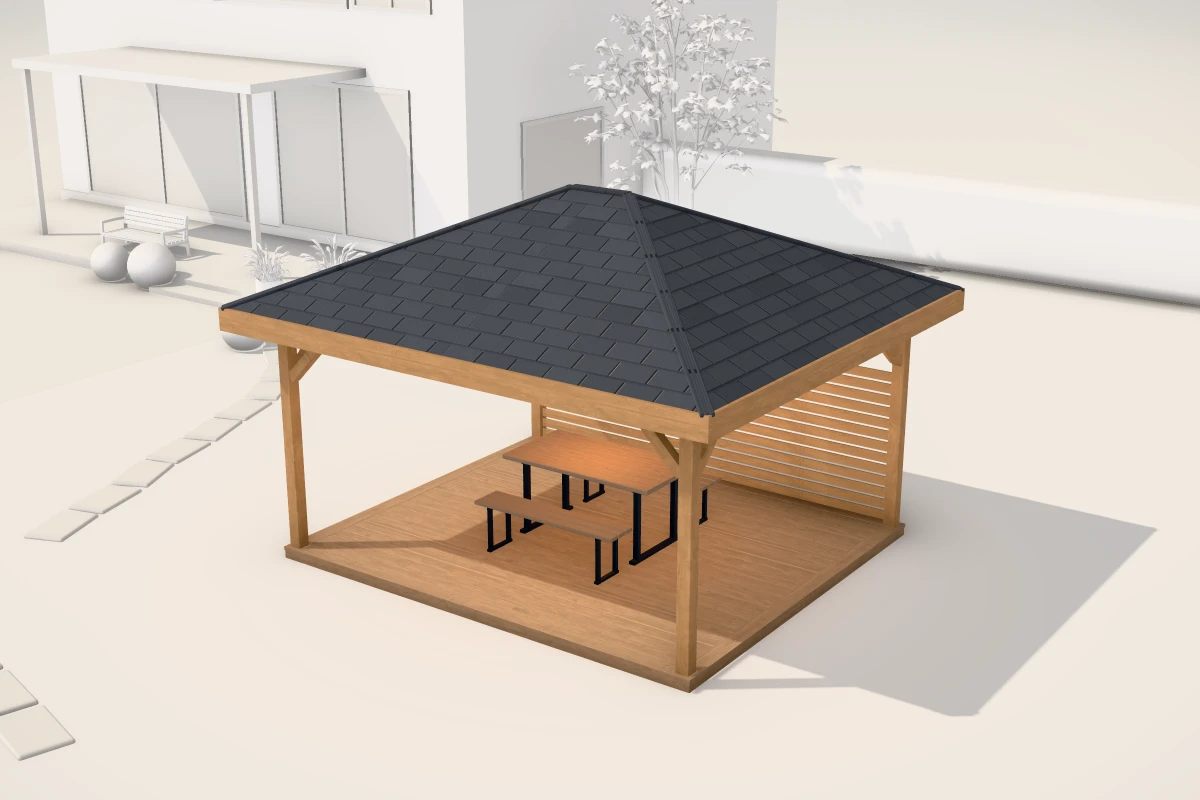
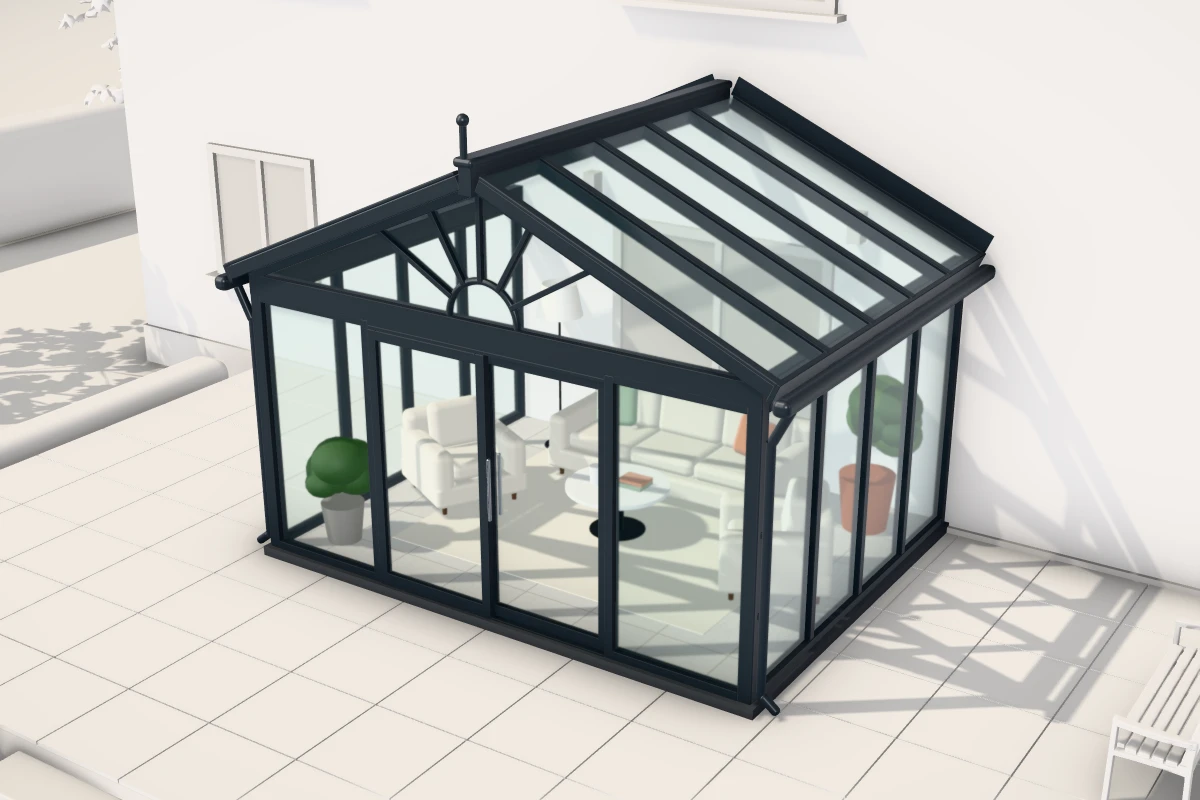
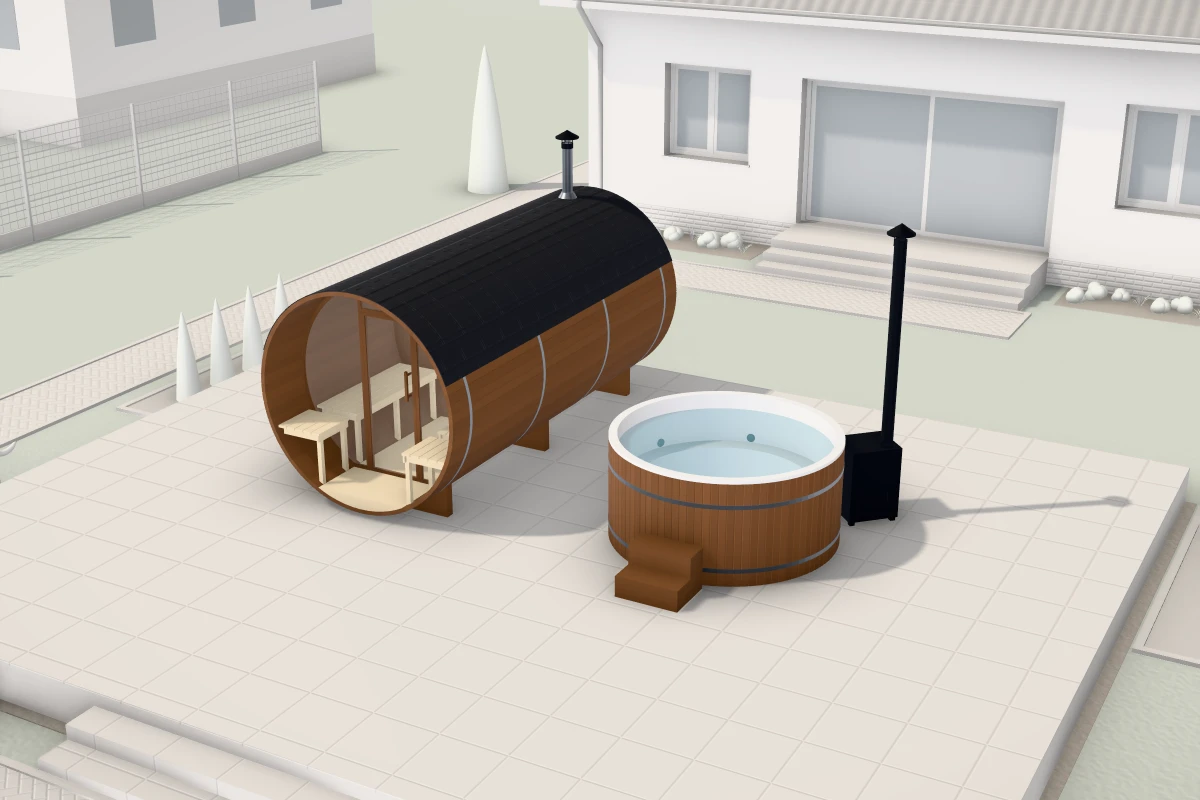
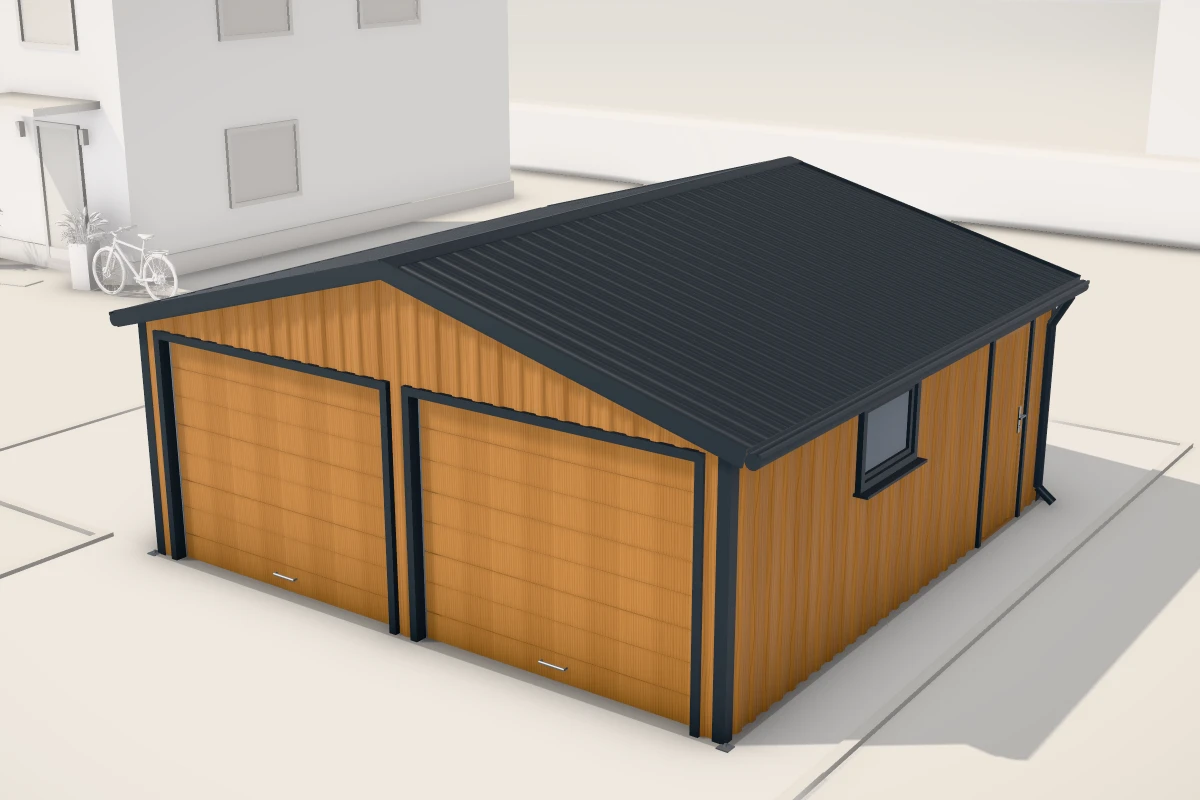
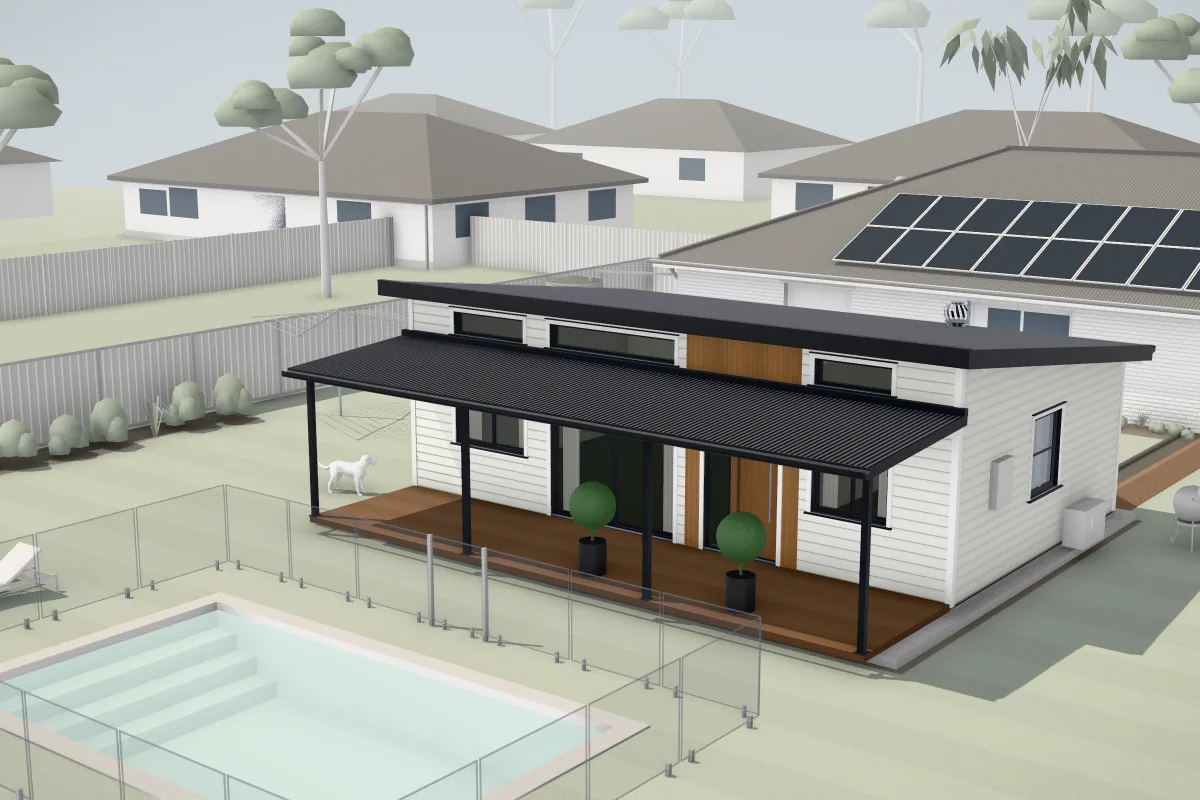
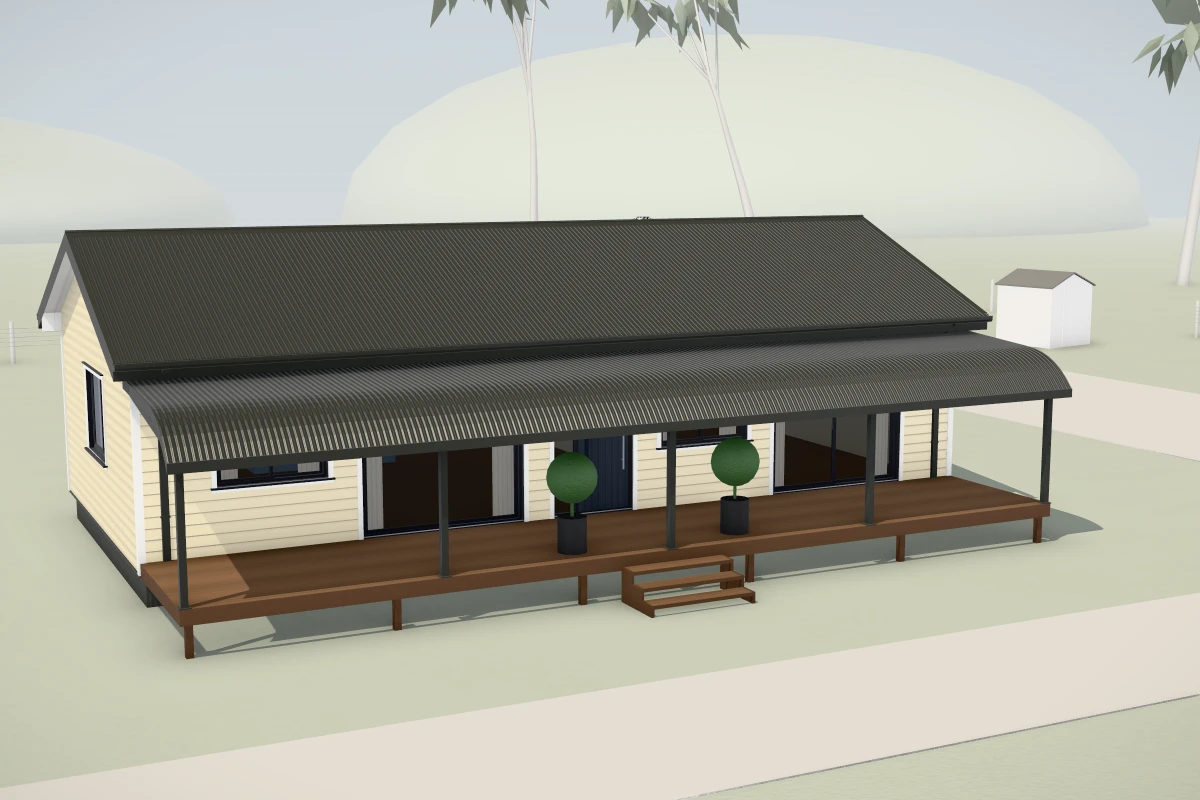
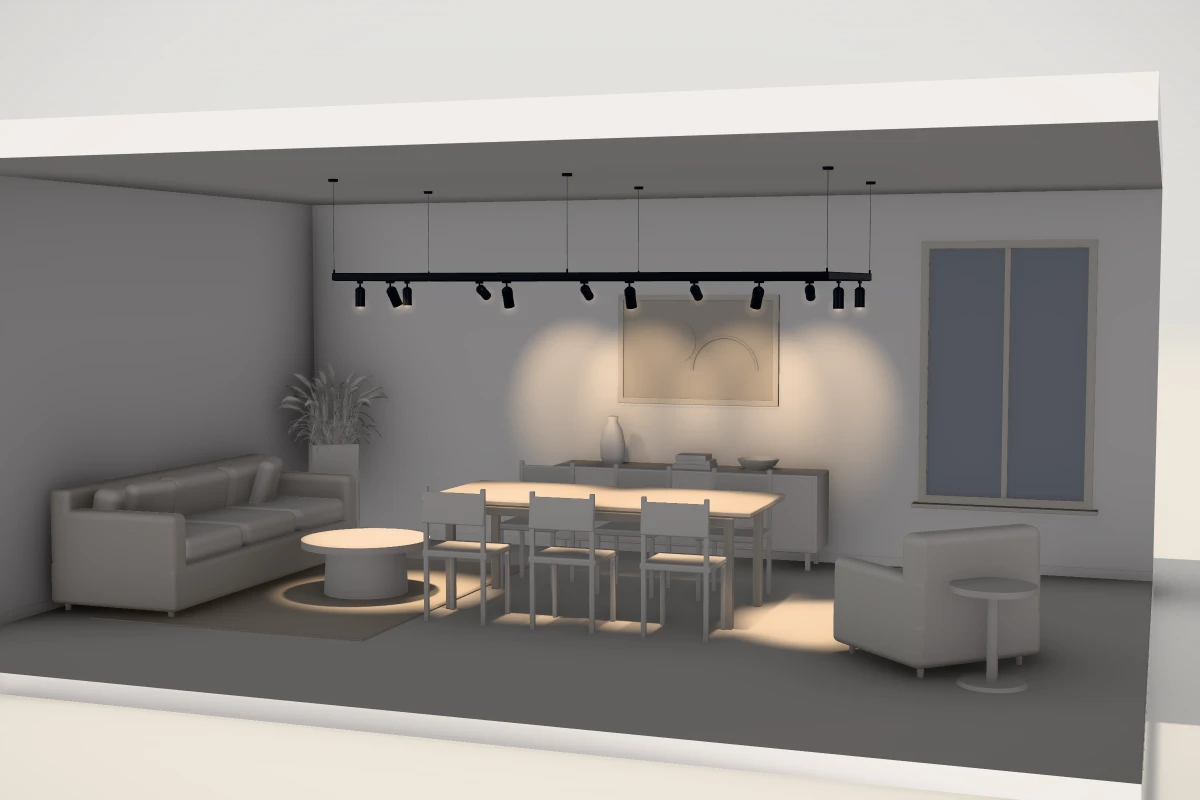
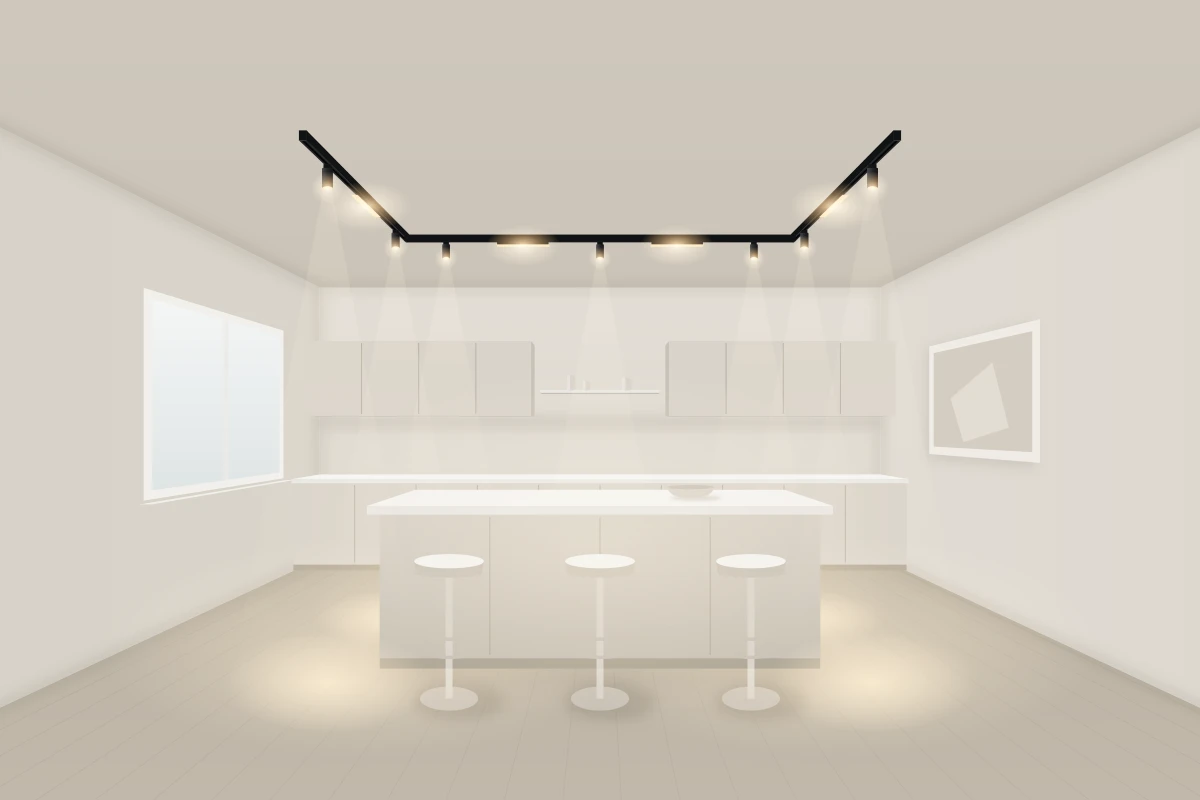
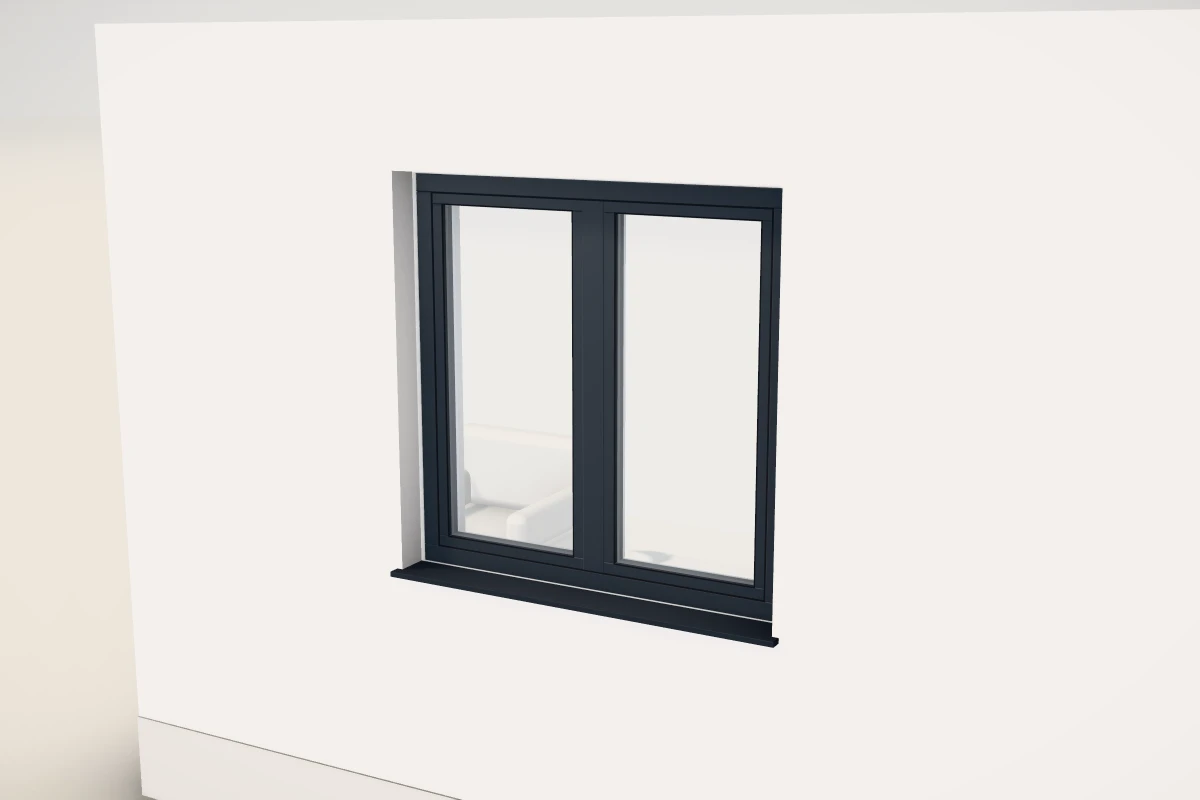
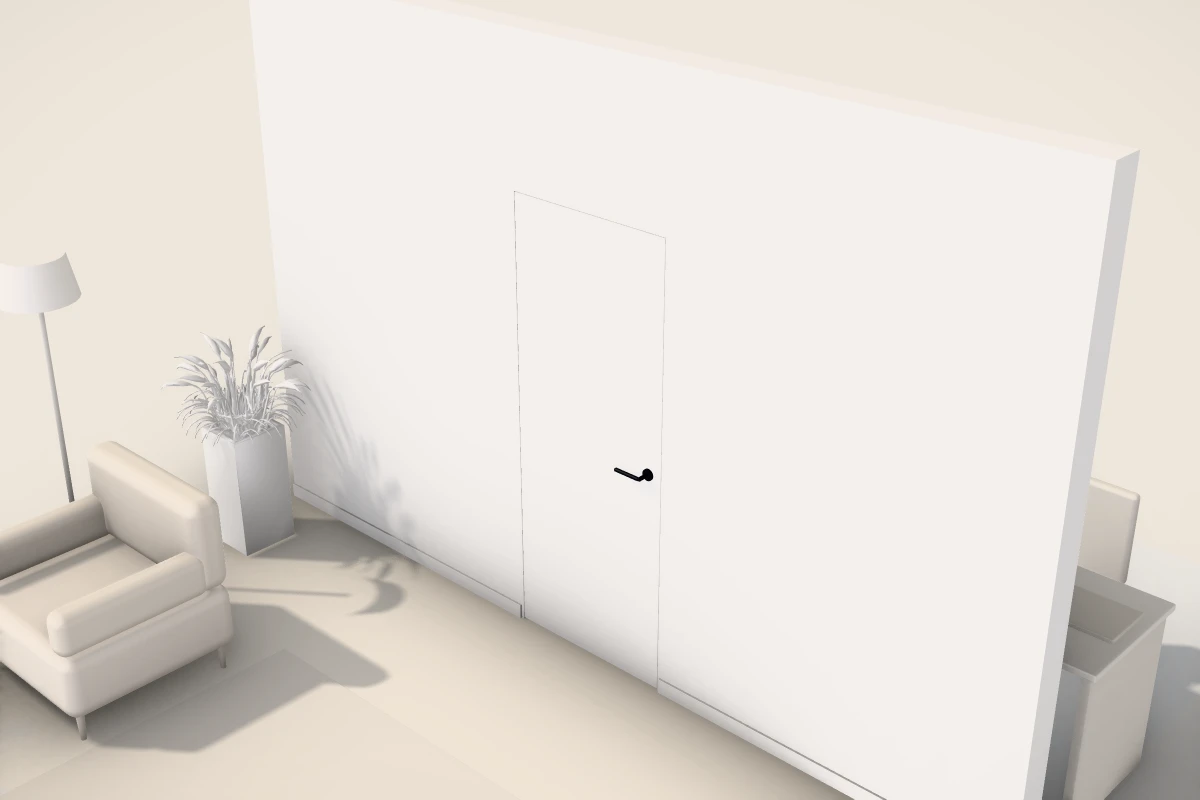
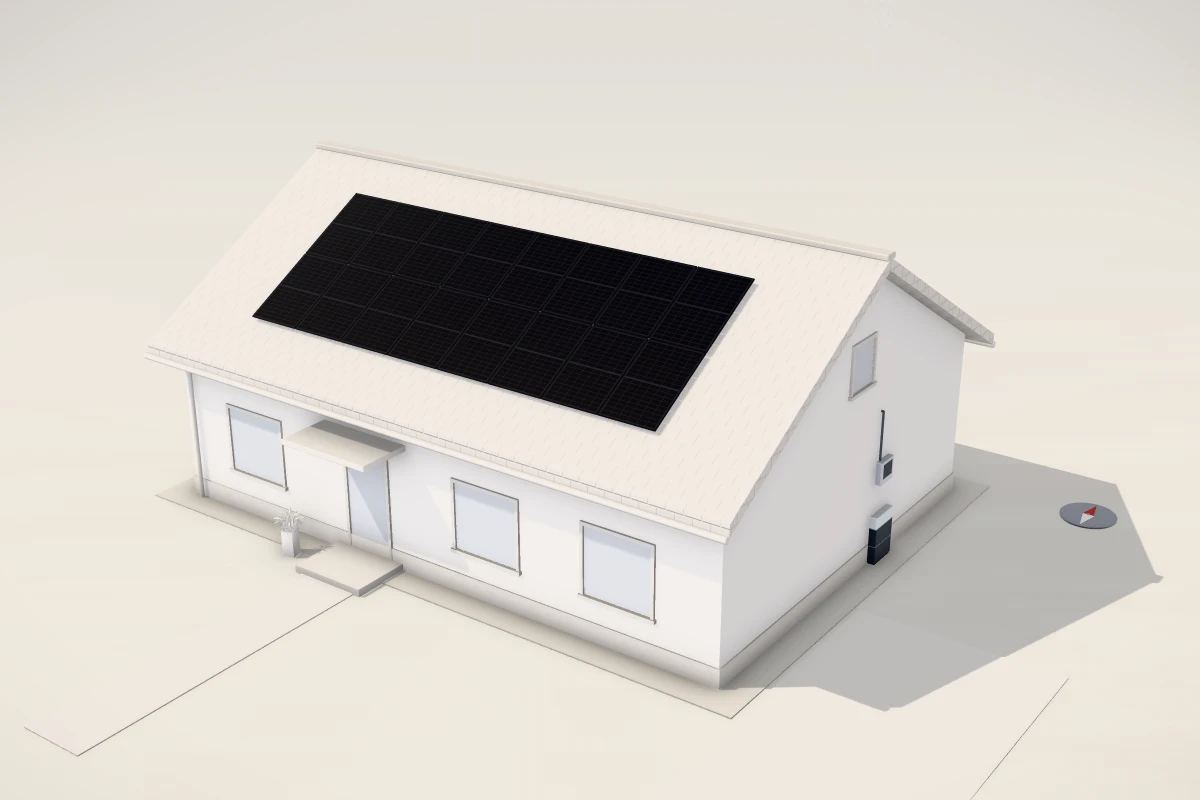
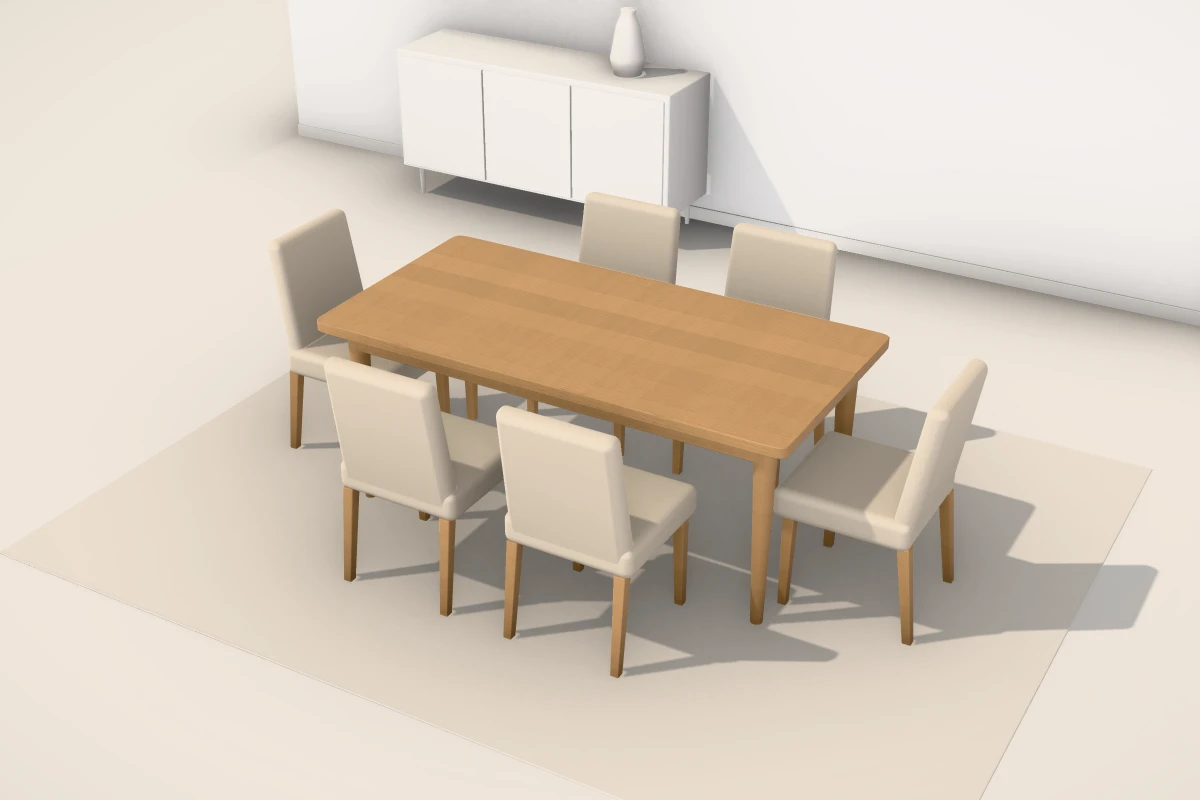
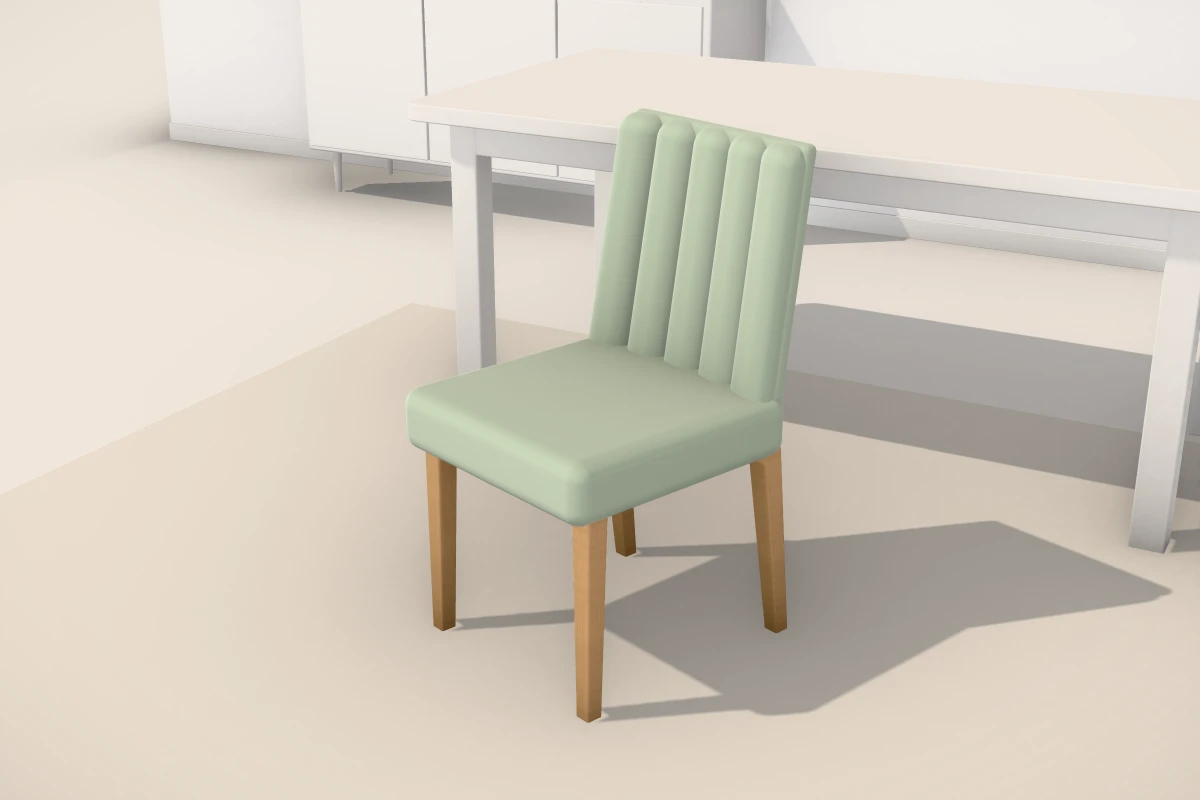
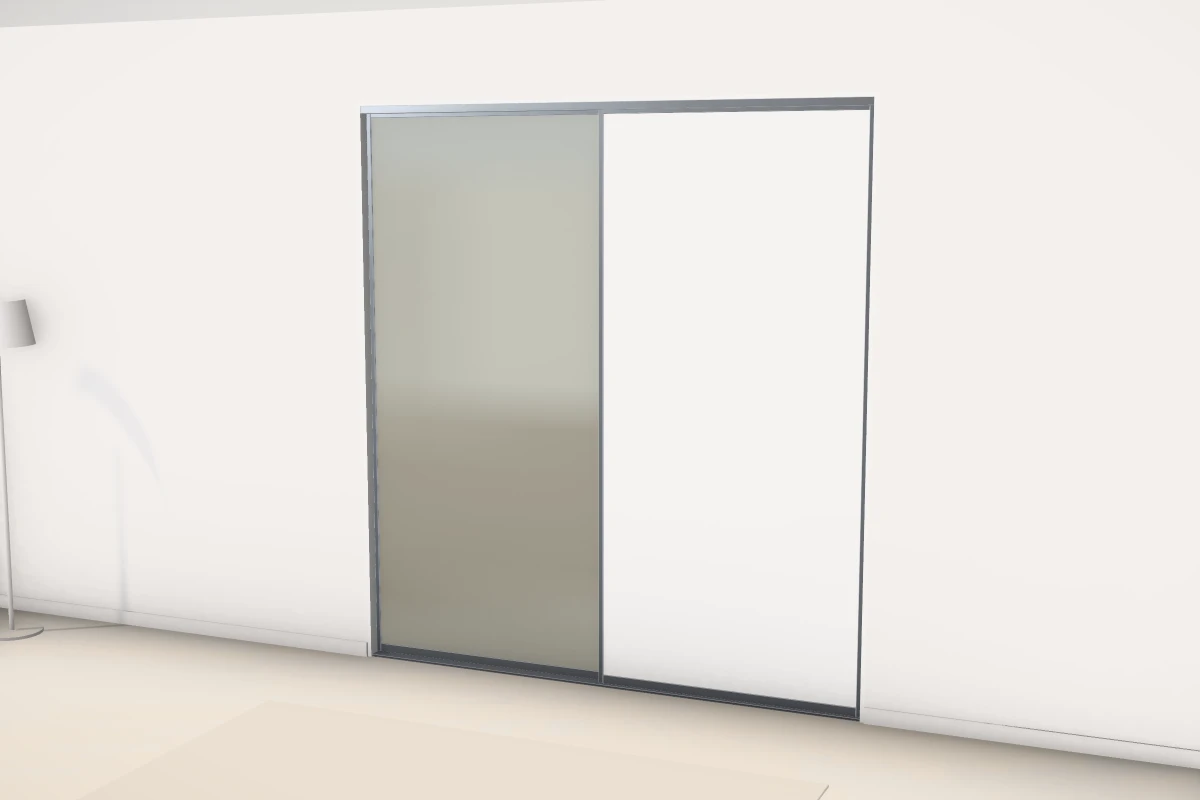
23 demo configurators for these industries: shelters and carports, granny flats, transportable homes, pergolas and patio covers, gates and fences, garden gazebos, conservatories and glazing, garden saunas and hot tubs, metal garages, modular houses, track lighting, 48 V magnetic systems, lamps and furniture, pVC and aluminium windows, hidden doors and bookcase doors, roller shutters and external blinds, solar PV and home batteries, made-to-measure tables, upholstered chairs, fitted wardrobes and built-ins, doors and the automotive sector. Each also has its own page: the configurator at full page width, a description with a guide, and frequently asked questions.

Six symptoms that cost your company real money

01

Customers call with questions instead of deciding

A sales rep spends 3 hours on a single quote instead of 4 minutes. They open a 136-page price list, calculate in Excel, call the design engineer and get back to the customer two days later. In the meantime, the customer goes with a competitor.

02

Customers hear about the result but never see it

Your offer is presented on slides and in PDFs. The customer hears “in the premium version you get X” but can’t see the result. Doubts lead to more meetings. The decision gets put off because “I need to think it over”.

03

No way to compare variants

The customer can’t quickly put 3 options side by side. They have to ask for a new quote, wait and call. The decision process stretches from 5 minutes to 5 days and often ends with no decision at all.

04

No real-time view of the price

The customer can’t see how changing the parameters affects the price, so they wait for a new calculation. Without instant information the decision stalls, especially in business-to-business sales, where price is one of the first questions.

05

Sales reps lose 40% of their time to admin

Explaining the same things, checking prices and writing quotes by hand instead of closing deals. 4 sales reps × PLN 100/h × 40% admin time = PLN 180,000 a year: the cost of chaos.

06

Low conversion because customers don’t understand the product

The customer doesn’t understand the product, so they put off the decision. 73% of leads drop out before the quote even leaves the company (an anonymous uPVC window manufacturer, 12 sales reps, 200 quote requests a month).

0 of 6 symptoms

ROI calculator

See how much money is slipping through your fingers

The calculator assumes a minimum saving of 10% of a sales rep’s time (2,112 hours a year, full time). In real rollouts the savings reach 30 to 40%, so 10% is a conservative starting value.

Quote admin is costing you:

PLN 84,480 a year

At this cost, a configurator (average price PLN 45,000) pays for itself in ~6.4 months.

Marek runs sales at a company that makes farm machinery: 57 types, a 136-page price list, prices from PLN 40,000 to over PLN 200,000 per unit. His sales rep gets 8 emails a week asking “And how much would a GEPARD DRILL with GPS cost?” Each of those quotes takes 3 hours: price list, Excel, a call to the design engineer, checking dependencies, PDF.

This isn’t theory. It’s everyday life at 80% of Polish manufacturing companies with more than 10 employees. The difference between a product list and a configurator is the difference between “I don’t know what to choose” and “I know what I want”.

A configurator doesn’t replace your sales rep. It frees them from answering the same question 8 times a week and lets them join the conversation only when there’s something to talk about: a specific configuration, a specific price, a specific decision in the customer’s mind.

A configurator isn’t an add-on to your website. It changes how customers discover a product, from “reading the description” to “experimenting with choices”. And that’s exactly what we implement. But see for yourself…

“Most companies sell as if it were still 2005: sales reps explain parameters instead of closing. In 2026, customers don’t want to call just to find out what something costs.”

Your sales rep should be an expert at closing deals, not at explaining the catalogue. As long as they spend 40% of their time on admin, every new sales rep you bring on board doesn’t grow sales, it just scales the chaos. You don’t need more people. You need a process.

Blog article · 12-minute read

The complete guide: what a Product configurator is

Read the complete guide
  1. 01_Definition and 4 types of configurators (parametric / visual / pricing / hybrid)
  2. 02_Four layers that make it work: data model, rules engine, UI, integrations
  3. 03_The Akpil case: 57 machine types, a 136-page price list, ROI after 3 months
  4. 04_Configurator vs other tools (CPQ / website builder / form / Excel)
  5. 05_The 8-week rollout process + cost range (PLN 49,000 to 89,000)

Same customer, same product. Two different processes.

A scenario from Akpil, before and after the configurator rollout.

Before: no configurator

2 days, Excel and a call to the design engineer

  • A farmer calls at 9 pm, after the sales rep has finished for the day
  • In the morning, the sales rep opens the 136-page price list
  • Works it out in Excel (base price 118,250 + GPS 18,100 + AK 4,350 + tramlines 3,400)
  • Checks dependencies with the design engineer
  • PDF sent after 2 days
  • Meanwhile, the customer has received a quote from a competitor

After: with a configurator

30 seconds, the configurator does it all

  • The farmer clicks through at 9 pm; the configurator is available 24/7
  • Chooses the width, roller type, GPS and tramlines, step by step
  • The price of PLN 150,550 updates live with every change
  • Generates a PDF in 30 seconds
  • Calls the sales rep the next morning with the configuration ready
  • The sales rep closes the deal instead of explaining the catalogue from scratch

Read the full case study →

How we roll out a configurator: 8 weeks from kickoff to launch

It isn’t a technical project. It transforms the way you present your products.

  1. 1Week 1

    Sales process audit and customer decision map

    We get to know how your customers make decisions: what questions they ask, in what order and what holds them back. We don’t start with code, we start with the decision map.

    You get: a customer decision map, a list of configurable parameters and a concise product description.

  2. 2Weeks 2–3

    Interface design (UX/UI) + variant structure

    We design the configurator interface and the variant structure. Business decisions (which variants to show, which dependencies apply) stay with you; we translate them into the interface design.

    You get: a design system + the configuration flow in Figma + a map of variant dependencies.

  3. 3Weeks 4–5

    Build + pricing engine

    The configurator interface, a dependency rules engine (which variants to block, hide, require or select automatically) and the pricing logic. Technology: Next.js + PostgreSQL + Three.js for 3D.

    You get: a working configurator in a staging environment with your price list and variants.

  4. 4Week 6

    Integrations with CRM, ERP and forms

    The customer’s configuration lands in JSON Hub (or your CRM) as a lead with its parameters. The price syncs with your price list and the PDF is generated automatically. No manual retyping.

    You get: a connected funnel from configuration to signed quote.

  5. 5Week 7

    Testing + sales team training

    Testing with your real catalogue, dependency validation and training for the sales team (sales reps + panel administrator). Documentation, so you never depend on a single vendor.

    You get: a trained team + technical documentation + admin access to the panel.

  6. 6Week 8

    Production launch + 4-week optimisation cycle

    The configurator goes live in production. For the first 4 weeks we monitor real data: which variants are chosen, where customers drop off and which parameters hold up the decision. We optimise together.

    You get: a report after 4 weeks + a list of optimisations + a development plan for the next 12 months.

Five changes

What actually changes in your company

Five behavioural changes in sales, measurable from the first month after launch.

01

Quote time: 3 h → 4 min

The customer configures, the system calculates. Your sales rep only touches the quote once the customer has decided – to close it, not to explain it.

02

Customer decision: 5 days → 5 minutes

The customer sees the effect of every choice and the price, live. They don’t put the decision off, because there’s nothing to wait for. More “yes” or “no” decisions in the first session.

03

Multilingual from day one

PL / EN / DE / FR, as at Akpil: 300+ translation keys, one source of truth. Sell in foreign markets without paying for a local sales rep.

04

A rules engine instead of the design engineer’s head

Dependencies between variants (block / hide / require / auto-select) are stored in the system. Pricing knowledge no longer hangs on one person, and it can be audited.

05

Dealer portal (with a separate login)

Your dealer network logs in and sees their own quotes + their customers’ configurations. A role system (administrator / editor / dealer) and access control out of the box.

Estimator · 8 questions

How much does it cost?

Find out what your configurator would cost. Eight short questions, and at the end an indicative cost range for the rollout.

  • An MVP in 8 weeks, from brief to production launch
  • 5 configurator rollouts (Akpil, Knieja, Metalbau and 2 more)
  • Staged payments 30/30/30/10 (30% deposit, the rest on delivery)

Case studies

Real rollouts. Real numbers.

We don’t tell – we show. A few projects that illustrate well what a configurator and quote automation deliver.

See more of our work →

Trusted by

Next step

You’ve seen the case studies. Now it’s your turn.

A 30-minute call with the founder of JSON Crew. Together we’ll check whether a configurator makes sense for your company: how much work it takes off your sales reps, how fast customers get a quote instead of waiting two days, and when a system like this starts paying for itself.

How long is the call?

About 30 minutes. Straight to the point: you tell us about your process, and we tell you honestly whether and how we can help.

Is there a charge?

No. The first call is free and comes with no obligation.

Does it commit me to anything?

No. You get an initial analysis and a cost range, and the decision is yours.

What if our process is non-standard?

All the better: those are exactly the processes we implement, tailored to your business, not “off the shelf”.

Common questions and objections

We answer customers’ questions before they ask them.

How much does it cost?
The average price of a configurator is around PLN 45,000 excluding VAT. The exact amount depends on how many products it covers, how complex the pricing rules are and whether you need a 3D preview. On a free call we’ll define the scope and give you a firm quote for your company. The rule: decisions first, budget second.
Do we need to have our product variants defined already?
No. If you have them written down, we get going faster. If not, we start with an audit and a customer decision map and sort out the variants and dependencies together. A messy catalogue gets organised first and digitised only after that.
How long does the rollout take?
8 weeks from kickoff to production launch: audit, UX/UI design, build + pricing engine, integrations, testing and training, launch + a 4-week optimisation cycle. You see results earlier – you’ll have a working configurator on staging after about 5 weeks.
Can we integrate with our existing systems (CRM and ERP, i.e. customer and resource management systems)?
Yes. The customer’s configuration lands in JSON Hub or your CRM as a lead with its parameters, the price syncs with your price list and the PDF is generated automatically. We connect what you already have – we don’t replace systems that work.
What if our products are very complex?
All the better. Complex products – hundreds of parameters, dependencies, variants and pricing logic – gain the most from a configurator. The rules engine works them out without errors in seconds. Anyone can digitise a standard catalogue; the value grows with the complexity.
What happens after 8 weeks? Who maintains the configurator?
You get admin access, technical documentation and a trained team, so you don’t depend on a single vendor. If you’d rather develop the configurator than keep checking that it works, there’s the Maintenance Pack (PLN 2,990 a month): maintenance, iterations, fixes within 24 hours and the JSON Crew Lounge.
What if our company doesn’t have a developer?
You don’t need one. A non-technical person runs the admin panel: they add variants and change prices and rules from the interface. Responsibility for building and rolling it out lies with us. You decide, we deliver.
Do we get a guarantee that it will work?
Yes. We give a growth guarantee: 10–40% more quote requests from the configurator in the first months after launch. If the target isn’t reached, we keep working at no extra charge until it is.

Guide

Product configurators: what they are and why they change B2B sales

A Product configurator is a tool in which customers put a product together themselves from the available variants – they choose parameters, options and extras, while the system shows the result (a 2D or 3D visualisation) and calculates the price in real time. In B2B sales it isn’t a gadget; it’s a shift of work. Today your sales reps spend up to 40% of their time on quote admin – a configurator moves that work to the customer and does it without errors, at any hour, for any number of enquiries at once.

Why does your company need a Product configurator?

There’s one hard reason: you shorten the path from interest to order. The longer a customer waits for a quote, the more likely they are to contact a competitor in the meantime. A configurator cuts that time from days to minutes.

What you get in practice:

  • Less repetitive work for your sales reps – the system handles simple, standard quotes, and the team focuses on what needs a person: negotiating and closing.
  • Error-free quotes – the rules engine works through hundreds of dependencies and variants in seconds, the same way every time. No more “sorry, I got the price wrong”.
  • Better-qualified leads – instead of “please contact me”, your CRM receives a specific configuration with its parameters and budget.
  • Sales 24/7 – customers configure in the evening, at the weekend or from another time zone. A configurator never goes on holiday.
  • Product education – customers understand the options and dependencies on their own and call with a decision, not with the question “what’s actually possible?”.

See how it works in practice – we have a showroom of working configurators that you can click through live before you decide on your own.

Types of Product configurators

A “configurator” isn’t a single tool but a family of solutions. The right one depends on the product, the customer and what should happen after the configuration.

Visual 2D configurator

The customer sees the product and changes its elements (colours, modules, finishes) on a flat visualisation. It works well where a quick, clear presentation of variants matters, without a full 3D model.

3D Product configurator

The product is rendered in the browser, rotates through 360° and swaps materials and parts in real time. Best for products where “seeing” means “understanding” – machinery, gazebos, garages, furniture, vehicles. You’ll find 3D examples in the showroom: the 3D car configurator, the garden gazebo configurator and the metal garage configurator.

Pricing configurator (CPQ)

The heart of sales: an engine that calculates the price from the selected options according to your rules – discounts, quantity breaks, dependencies between components. This is where a configurator stops being a “nice demo” and becomes an automated quoting system.

Variant / rules-based configurator

For complex products where not every option fits with every other. The rules engine makes sure the customer can’t configure something that can’t be manufactured – and suggests valid combinations. The more complicated the catalogue, the greater the value.

Configurators and CPQ, CRM and ERP: how it all connects

The biggest mistake is treating a configurator as a separate island. The real value appears when the customer’s configuration flows on: it lands in your CRM as a lead with its parameters, the price syncs with the price list in your ERP and the quote PDF is generated automatically. Instead of five tools and five invoices, you have one connected process.

We usually connect this layer with JSON Hub – our SaaS that brings the configurator, CRM and quoting together in one place. But we don’t replace what already works for you: if you have your own CRM or ERP, the configurator plugs into it through integrations. We connect systems; we don’t make you throw them out.

How much does it cost to implement a Product configurator?

The realistic range for a well-designed B2B configurator is PLN 49,000–89,000 excluding VAT, depending on the number of variants, the complexity of the pricing rules, the scope of integrations and whether you need 3D. The main price drivers are the number of parameters and dependencies, the depth of the pricing logic and integrations with existing systems.

You don’t start with an enterprise behemoth costing hundreds of thousands. You start with an MVP in 8 weeks – a working version that does the job – and extend it in phase 2, once it’s already earning. Want to estimate the scope for your product? Use the configurator cost estimator.

What the rollout looks like, step by step

From the first call to production: 8 weeks. No “it depends” and no open-ended bill for hours.

  • Audit and customer decision map – we sort out variants, dependencies and pricing logic. A messy catalogue gets organised first and digitised only after that.
  • UX/UI design – how the customer moves through the configuration without getting lost in the options.
  • Build + pricing engine – the configurator and the pricing rules.
  • Integrations – CRM, ERP, PDF generation, lead flow.
  • Testing, training and launch – plus a 4-week optimisation cycle after go-live.

You usually have a working configurator on staging after about 5 weeks – you see results well before the end of the project.

Which industries benefit most from a configurator

Companies with a configurable product that comes in many variants and a sales process where quoting takes expertise gain the most: machinery and equipment manufacturing, construction and building components, made-to-measure furniture, joinery, electronics and IoT, vehicles and vehicle bodies, modular systems. The common denominator: lots of variants, pricing rules and sales reps who work it all out by hand today.

If your product is simple and has one price, a configurator won’t change much. If it has hundreds of combinations and “it depends” in every quote, that’s exactly where it pays for itself.

Example projects

We don’t tell – we show. A few projects that illustrate well what a configurator and quote automation deliver:

Want to see what a configurator would look like for your product? Book a free call – at the first meeting we define the scope and give you a firm quote. The rule is simple: decisions first, budget second.